Nutrition Plan Following the Hormonal Method
This hormonal method nutrition plan is designed to help balance your hormones naturally through targeted food choices. For optimal results, follow the meal plan below.
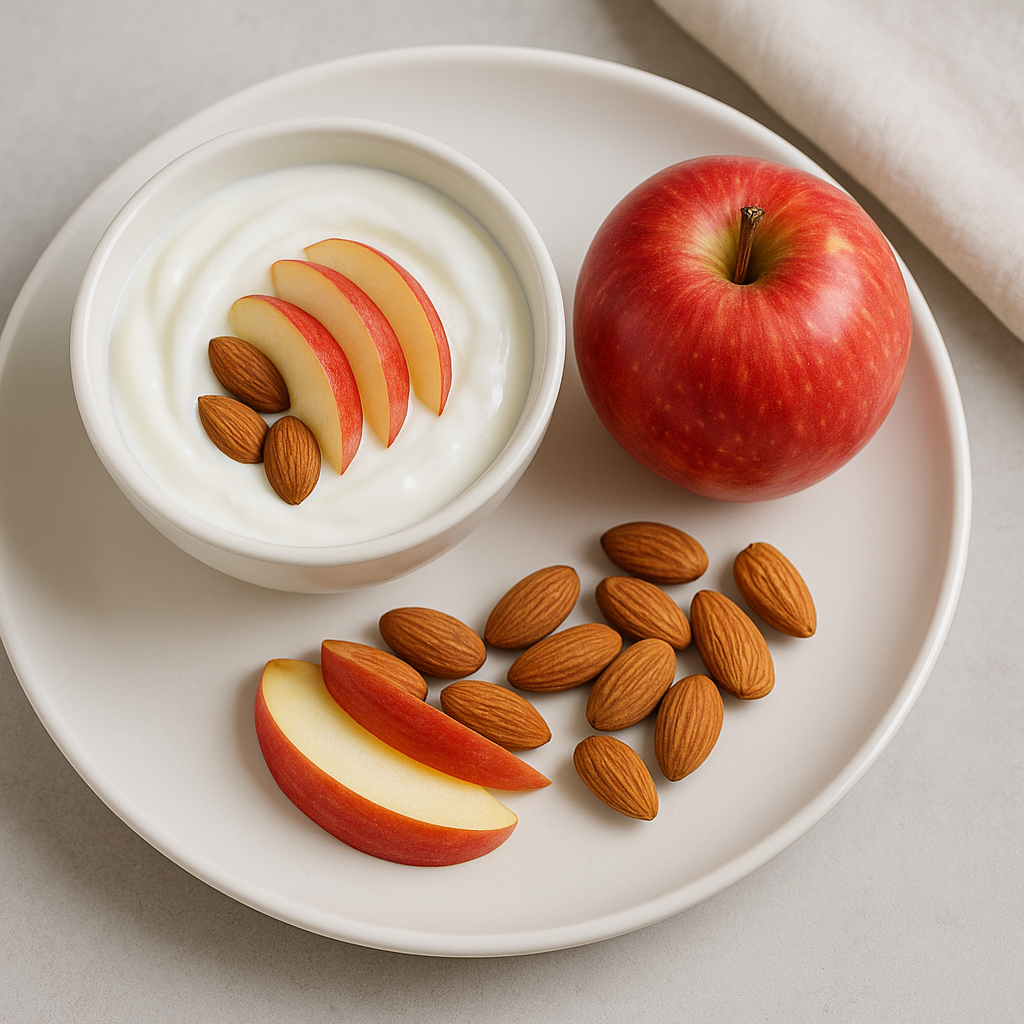
Drinks: coffee, green tea, or sparkling water
Choose one of the following options:
-
Option 1:
- Small fruit from the list, a date with a walnut, or chia pudding
-
Option 2:
- Unsweetened Greek or regular lowfat yogurt (1–3% fat) with cinnamon
*Cinnamon helps balance insulin and ghrelin, the hunger hormone
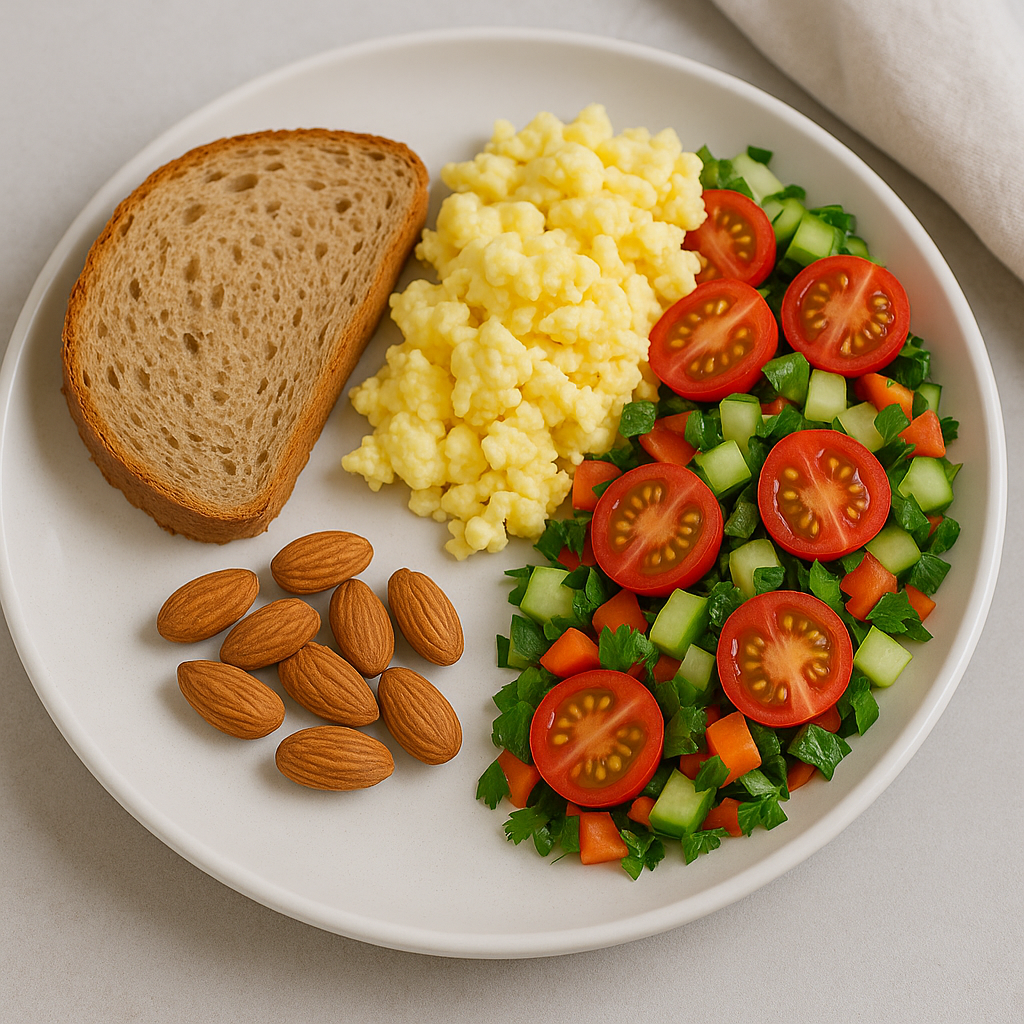
Breakfast includes:
- Lean proteins without limit: Eggs (up to 2 per day), tuna, or cottage cheese
- Choices of up to 5% fat dairy like spreadable cheese and sour cream
- Carbohydrates - 1 slice of wheat-free bread up to 100 calories
- Vegetable salad until full
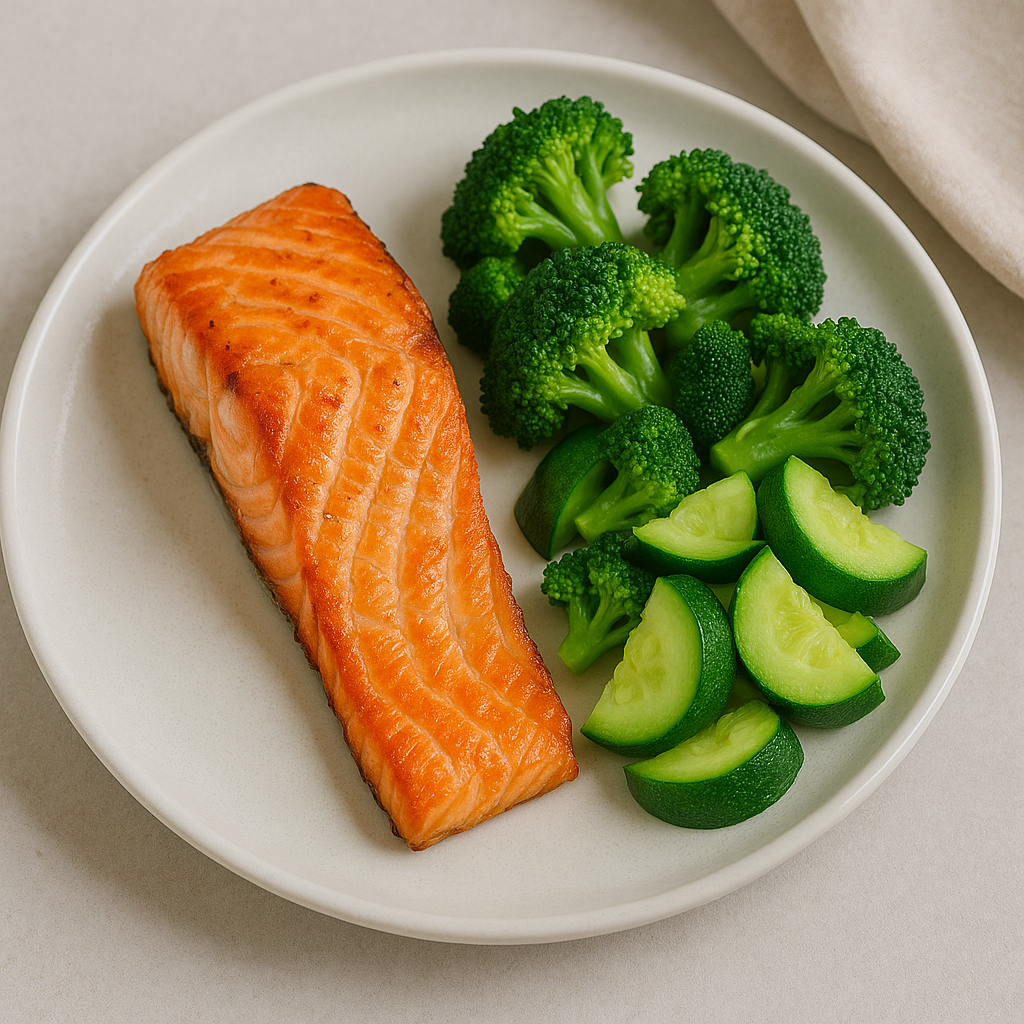
Lunch includes:
- Protein + light vegetables
- Protein of your choice: Any type of fish (salmon, white fish, or tuna)
- Poultry (any part of chicken, thighs, chicken breast, etc.)
- Tofu (if preferred) or two eggs
- Light vegetables, raw or cooked, until satiety
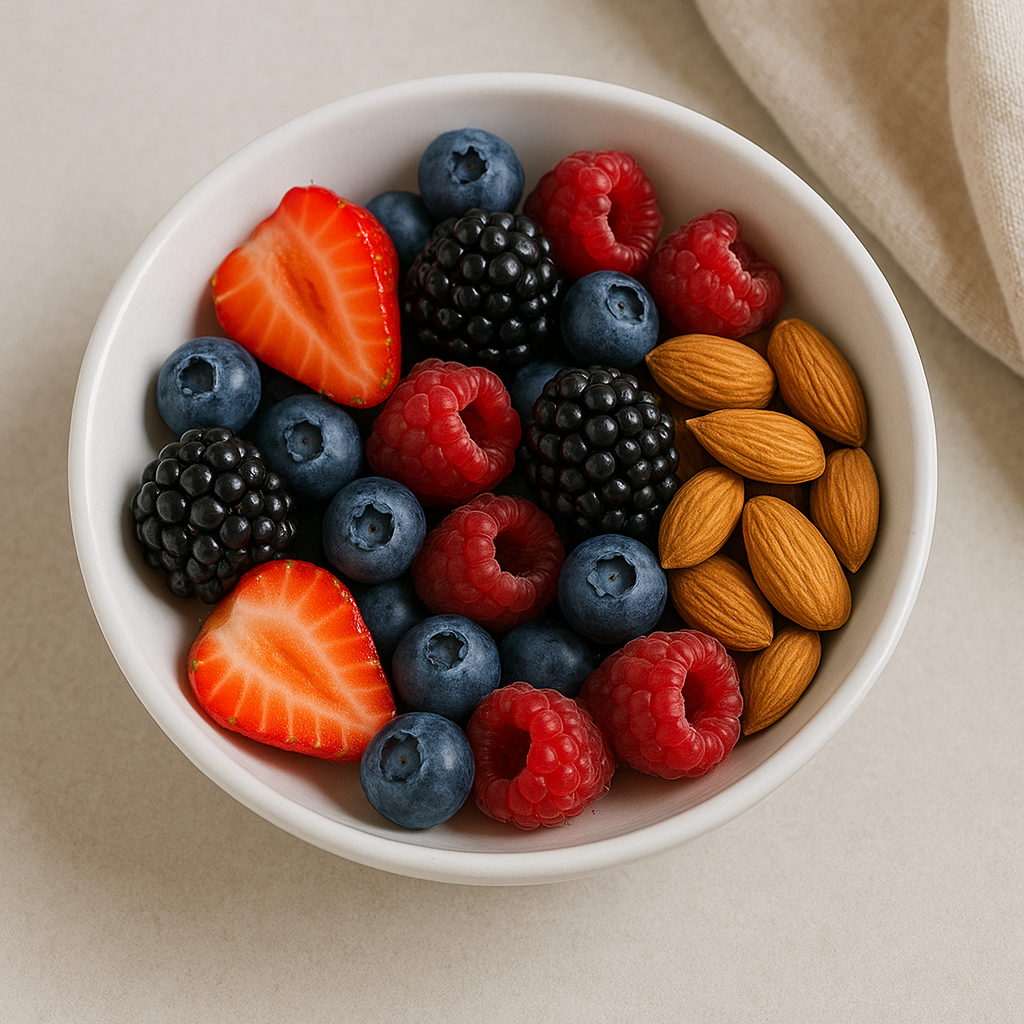
Afternoon snack options:
- Small fruit
- 1-6 walnuts or almonds
- Unsweetened nonfat Greek or regular yogurt (0% fat)
Dinner includes:
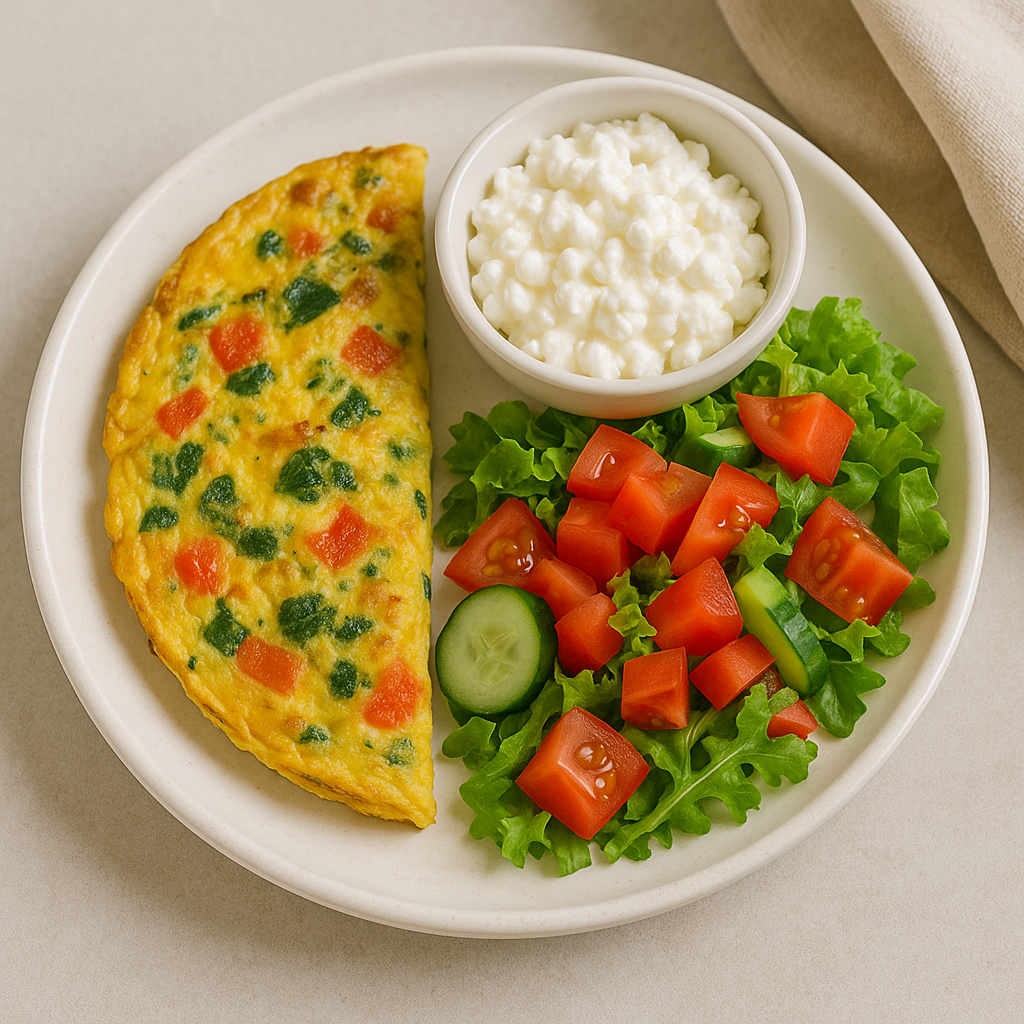
- Lean proteins with no limit: Eggs (up to 2 per day), tuna, or cottage cheese
- Choices of up to 5% fat dairy like spreadable cheese, light cheese, or light pita bread
- Vegetable salads until full
Night snack options (have if you're hungry):
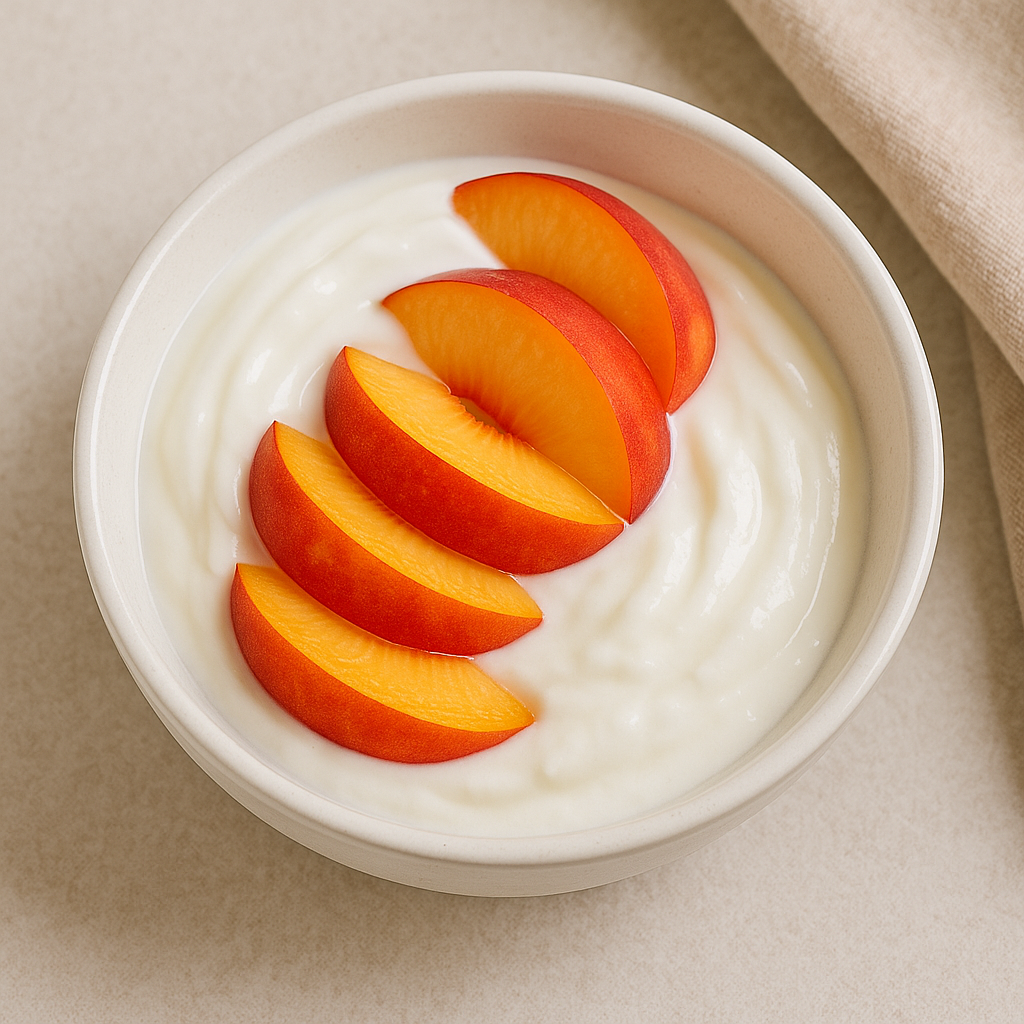
- Small fruit: apple, peach, nectarine, plum, pear, or date fruit
- 1-6 walnuts or almonds
- Unsweetened nonfat Greek or regular yogurt (0% fat)
In week two, you'll add one carb portion at lunch, and you'll switch up the types of carbs you're having at breakfast and dinner.
When adding a carb portion, limit your protein at that meal to 150 grams max - about the size of our palm.
Note: You must switch to this week's plan if you are experiencing constipation during any other week.
Drinks: coffee, green tea, or sparkling water
Choose one of the following options:
-
Option 1:
- Fruit: apple, nectarine, pear, or a date with a nut
-
Option 2:
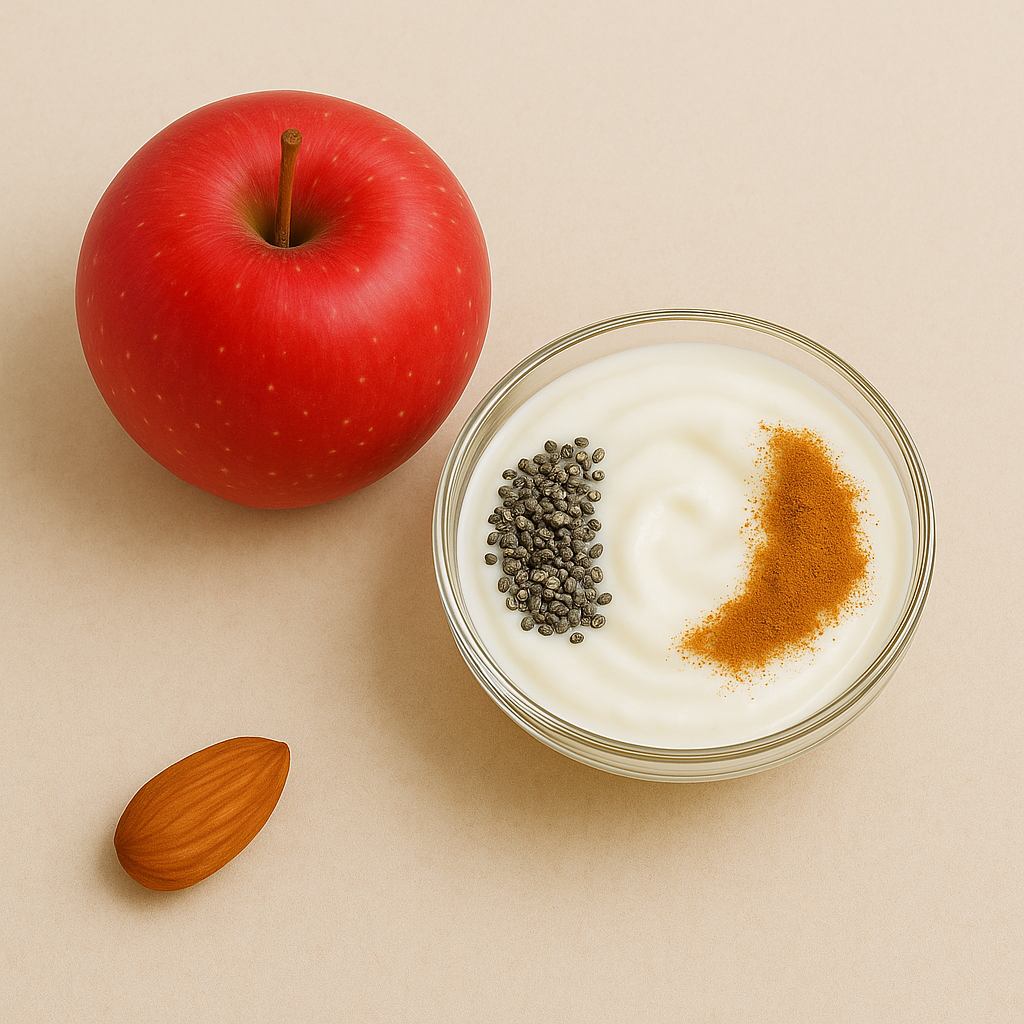
- Unsweetened Greek or regular lowfat yogurt (1–3% fat) with 1 teaspoon chia seeds and cinnamon
*Cinnamon helps balance insulin and ghrelin, the hunger hormone
Breakfast options:
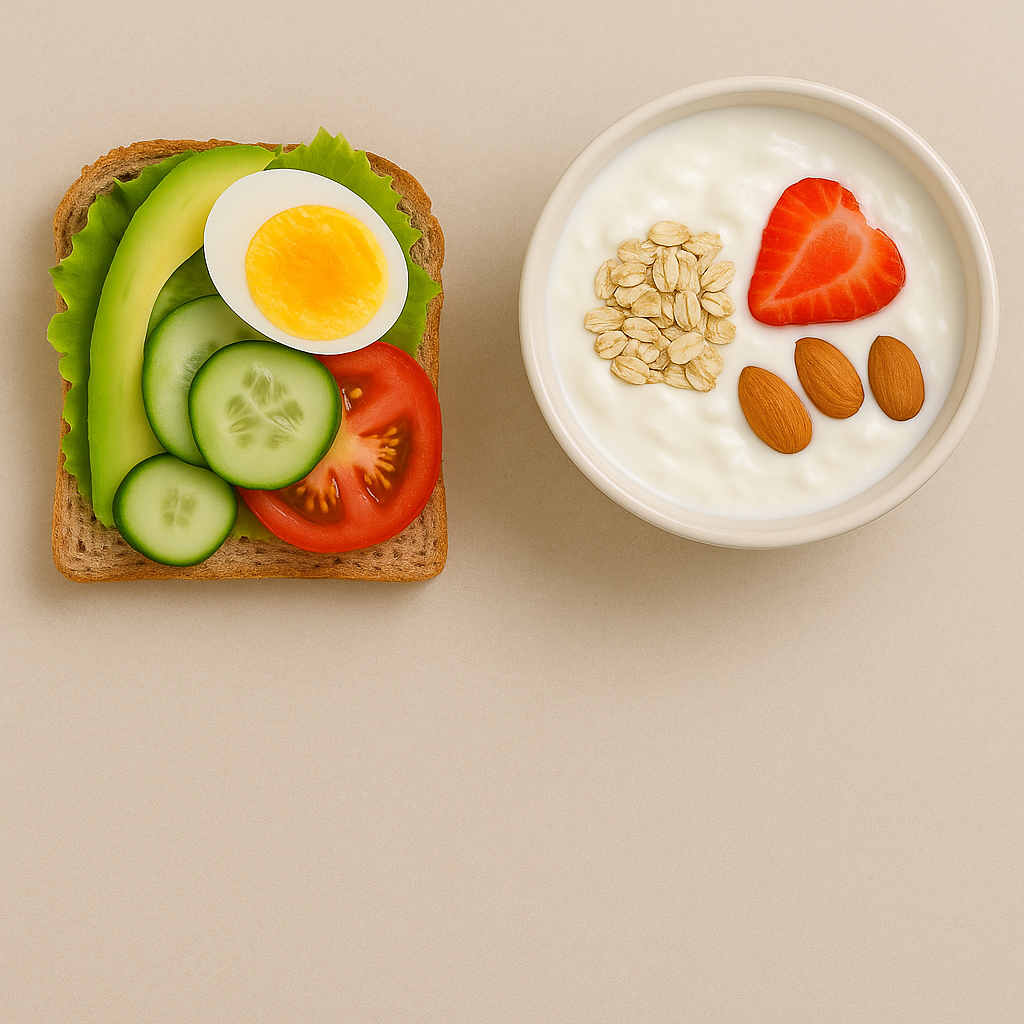
- A portion of carbohydrates - bread or any carbohydrates listed below (each portion contains 80-100 calories)
- Optional fat: 1 teaspoon raw tahini or a quarter avocado (about 2 tablespoons)
- Protein: hard-boiled egg, omelet (no oil), canned tuna in water, cheese up to 5% fat, or yogurt with vegetables for fullness
Lunch includes:
-
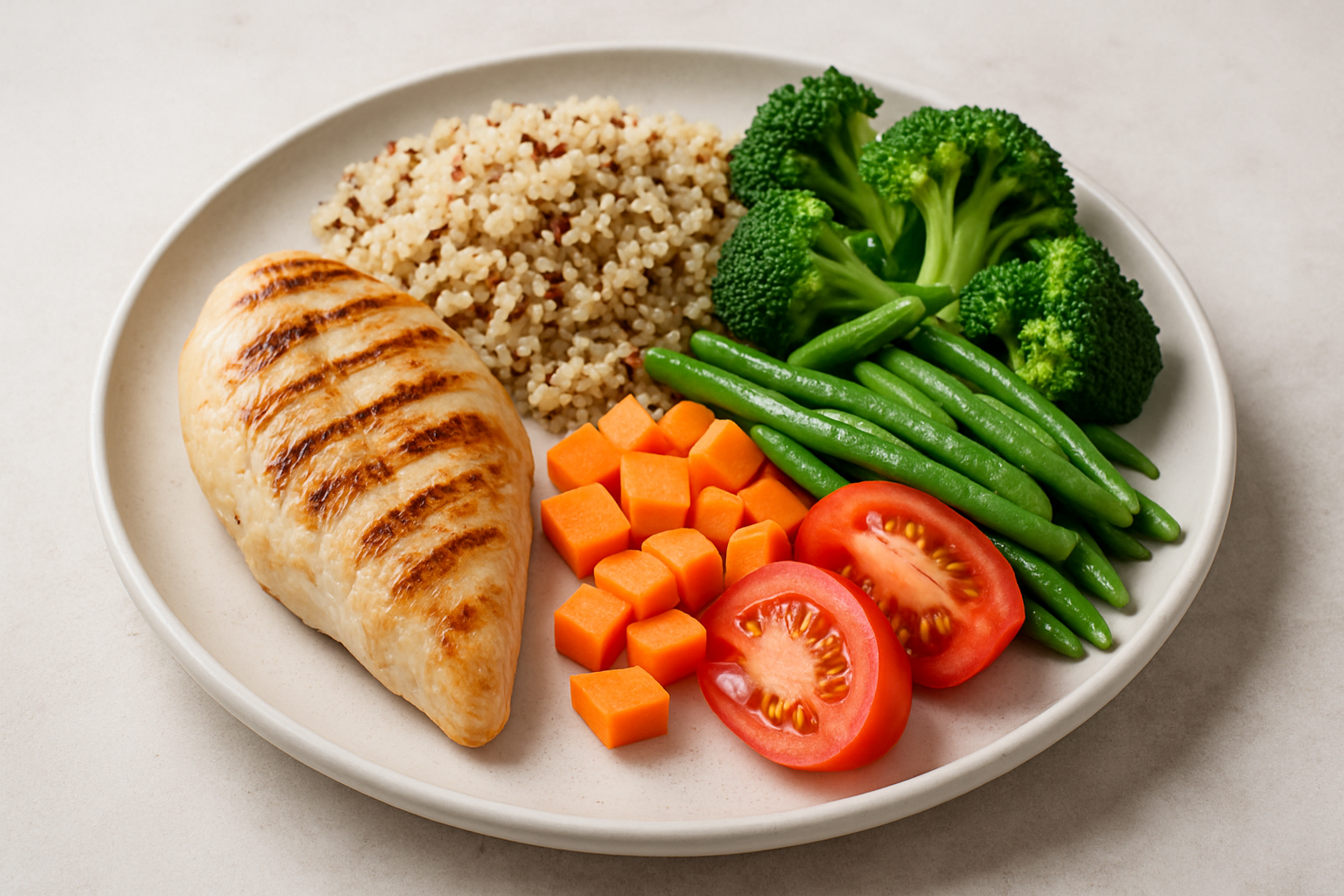
Protein portion of fish or chicken up to 150g:
- Gilthead seabream, tuna, tilapia, chicken, or chicken breast
- (Salmon or chicken thighs only up to twice a week)
- + Light fresh or cooked vegetables until fullness
-
Choose one of the following carbohydrate options:
- 5 tablespoons of complex carbohydrates: quinoa, lentils, buckwheat, chickpeas, beans, or peas
- OR: 3 tablespoons rice, preferably basmati or whole grain - avoid white rice
- OR: potato or half cooked sweet potato
Afternoon snack options (choose 2):
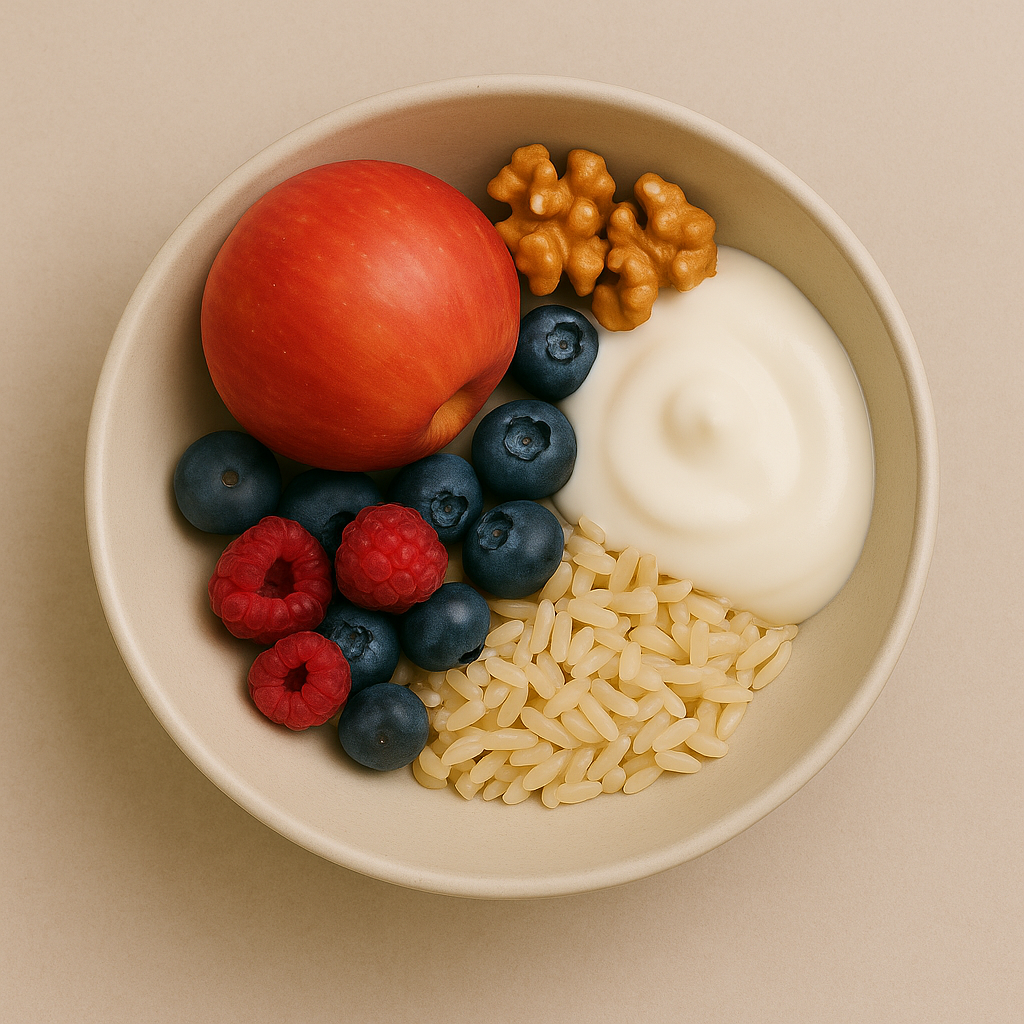
- Light fruit: apple, peach, plum, pear, nectarine, or a cup of wild berries
- Nuts: 6 walnut halves or 6 almonds
- Unsweetened Greek or regular lowfat yogurt (1–3% fat)
- For variety, you may have a date bar like FREE or apple chips (dried apples), or any other dried fruit
Dinner includes:
-
Protein until full, for example:
- Canned tuna in water
- Egg
- Any cheese up to 5% fat
-
Fat portion (Optional):
- 1 teaspoon raw tahini
- A quarter avocado (about 2 tablespoons)
- 1 teaspoon olive oil in salad
- + Portion of carbohydrates: bread or any carbohydrate listed on page 3
- + Light vegetables until full (you can start varying dinner next week)
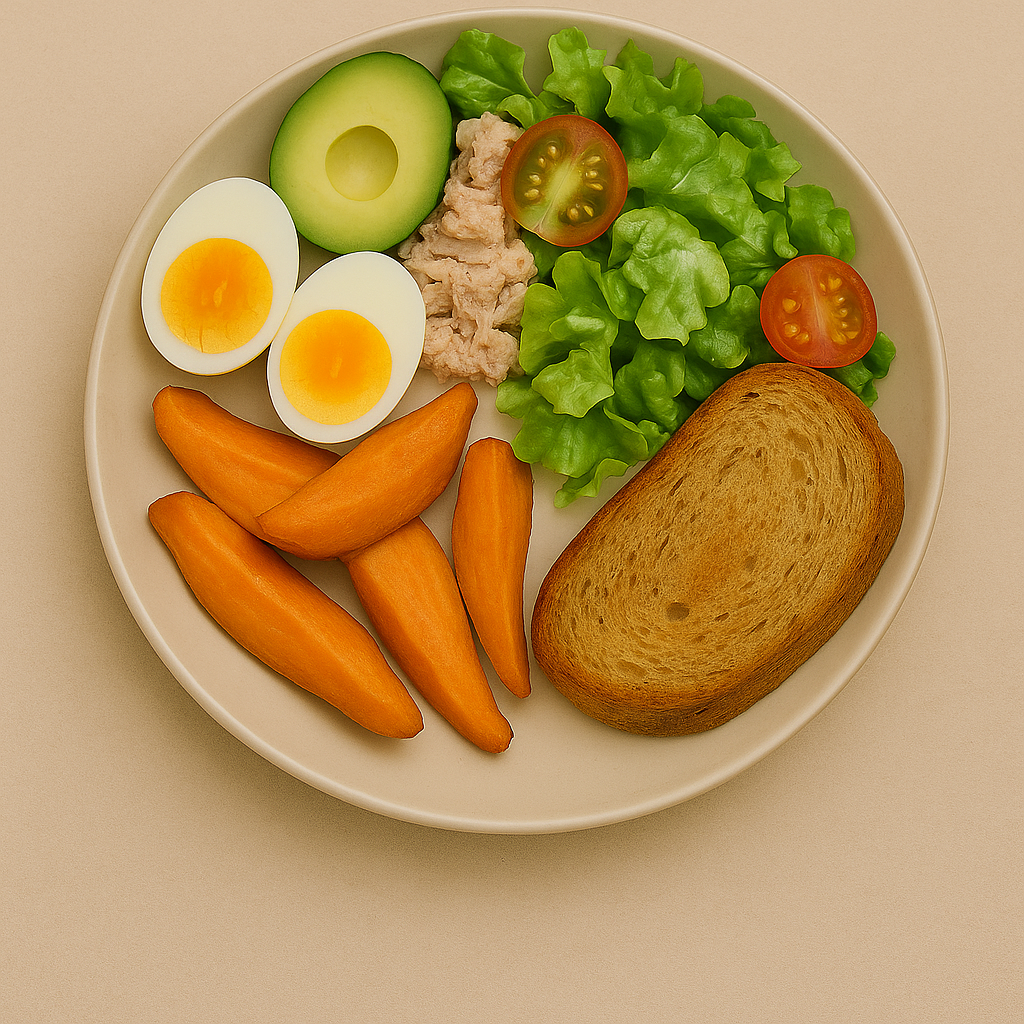
- Example dinner: Nicoise salad with sweet potato
Night snack options (have if you're hungry):
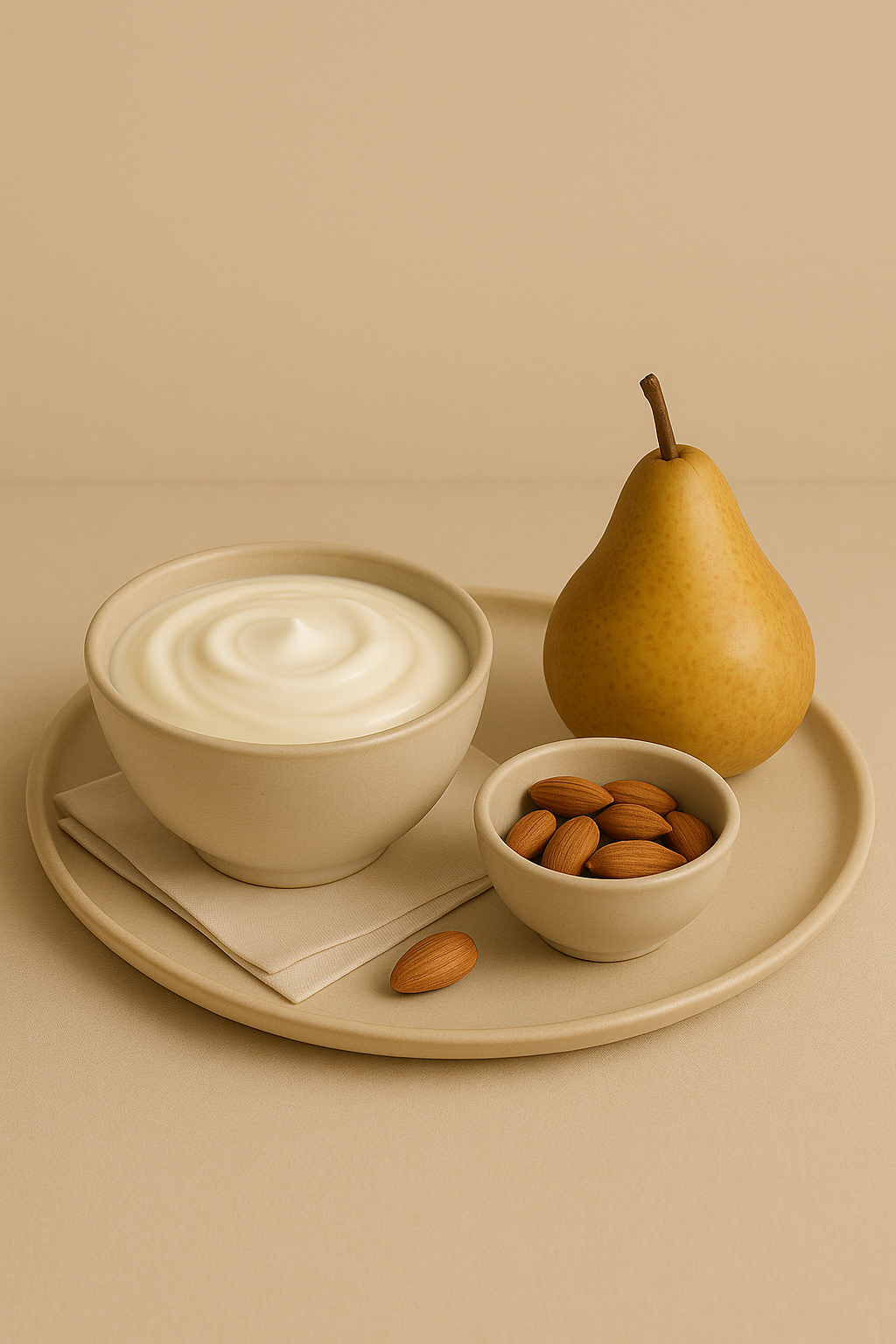
- Unsweetened Greek or regular lowfat yogurt (1–3% fat)
- Fruit
- A juicy date with a nut
- 2 squares of dark chocolate
From week 3, it is recommended to include a "cheat meal" once a week to vary your dinners (recipes are in the recipe booklet). You are not required to switch to this plan, you can stick with the Restart menu or the Week 2 menu.
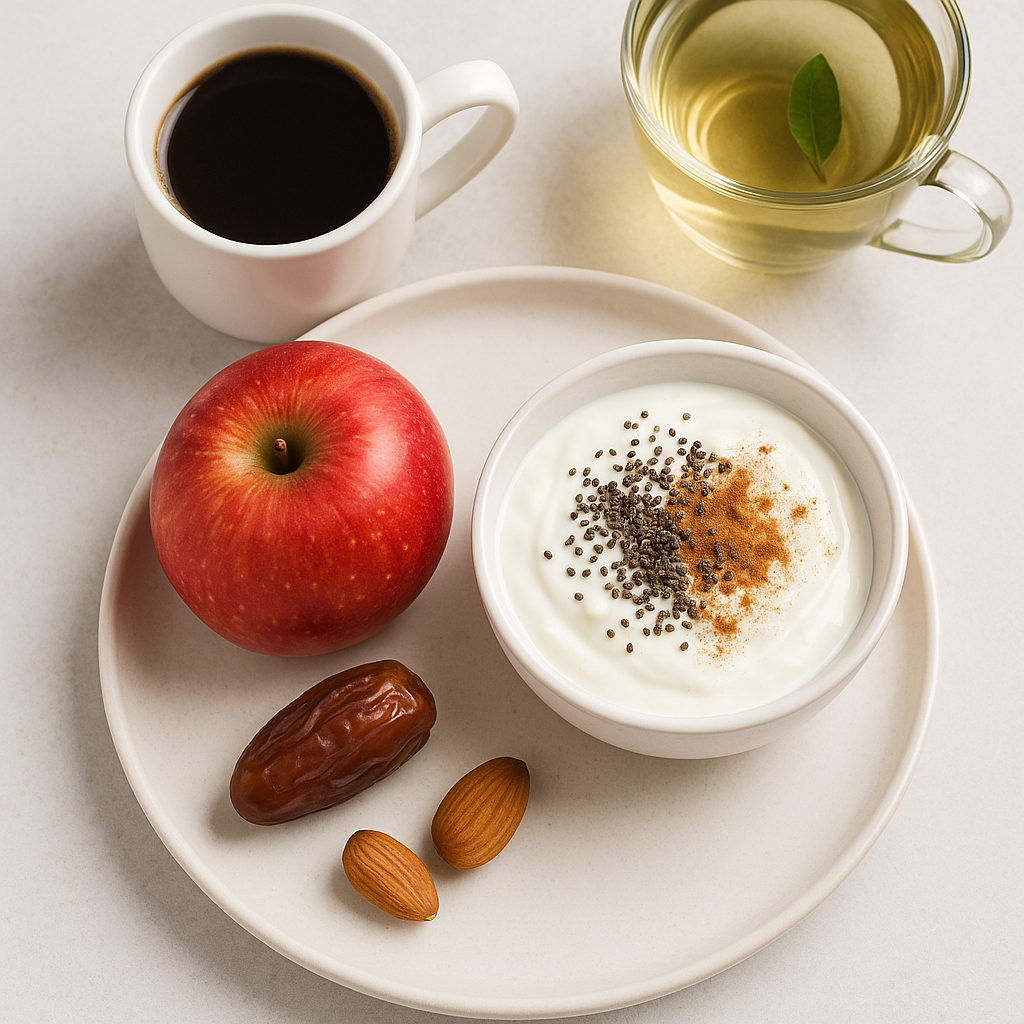
Drinks: coffee, tea, or sparkling water
Choose one of the following options:
-
Option 1:
- Fruit: apple, nectarine, pear, or a date with a nut
-
Option 2:
- Unsweetened Greek or regular lowfat yogurt (1–3% fat) with 1 teaspoon chia seeds and cinnamon
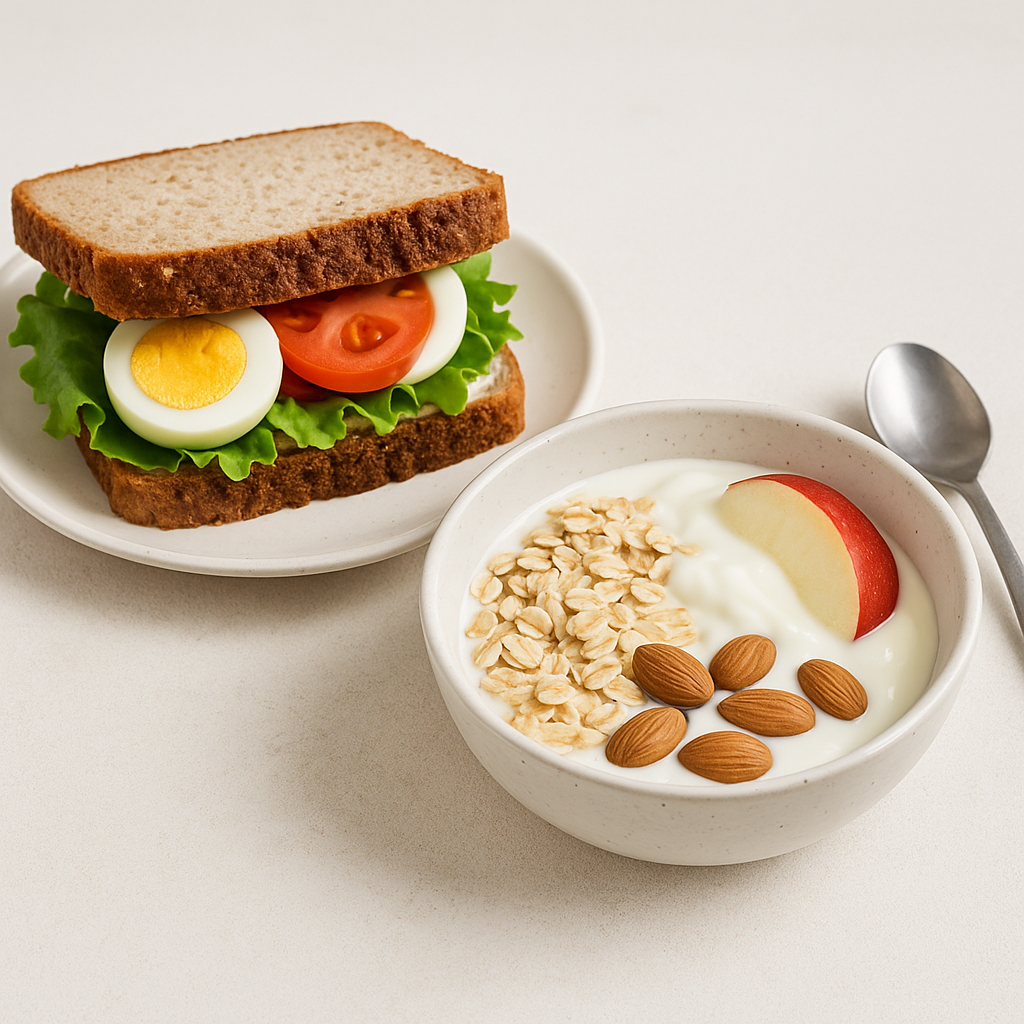
Breakfast includes:
- A portion of carbohydrates - bread or 2 tablespoons of cooked oats (each portion contains 80-100 calories)
- Optional fat: 1 teaspoon raw tahini or a quarter avocado (about 2 tablespoons), or 3 nuts
- Protein: hard-boiled egg, omelet (no oil), canned tuna in water, cheese up to 5% fat, or yogurt with vegetables for fullness
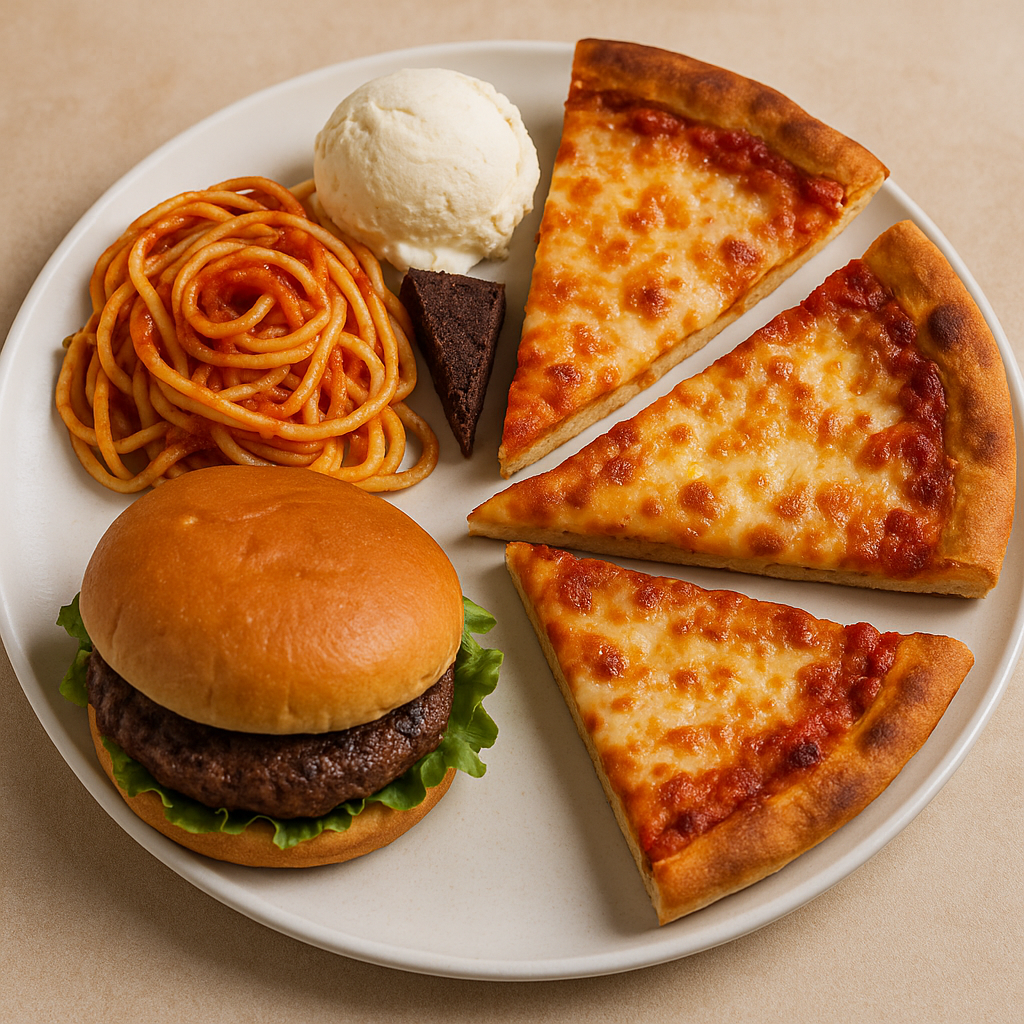
Lunch - including the weekly treat meal:
-
From this you may add a treat meal once a week, such as:
- A pasta dish
- 2 slices of pizza
- A burger
- Dessert like cake or ice cream (a meal of up to 600 calories)
-
Every other day, choose one of the following:
- Stick to a lunch with protein and light vegetables like in the Restart menu
- OR: a balanced lunch like the one in menu #2 (up to 150 g of protein + 3–5 tablespoons of carbohydrates)
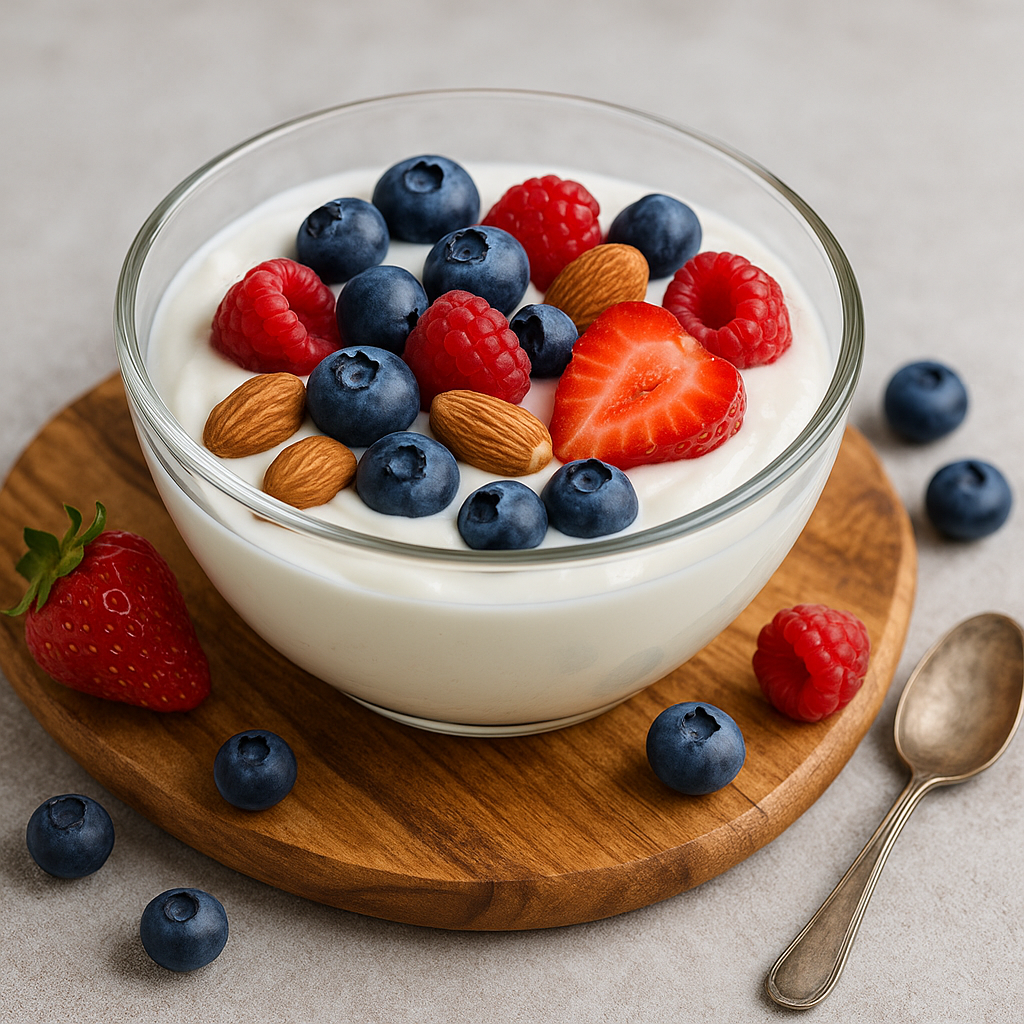
Afternoon snack options (choose 2):
- Light fruit: apple, peach, plum, pear, nectarine, or a cup of wild berries
- Nuts: 6 walnut halves or 6 almonds
- Unsweetened Greek or regular lowfat yogurt (1–3% fat)
- For variety, you may have a date bar like FREE or apple chips (dried apples), or any other dried fruit

Dinner options:
Starting this week, you can mix things up with recipes from the booklet like:
- Pies
- Tuna-dough pizza
- Rice-paper cheese Bourekas
- Shakshuka
- Stir-fried tofu
- etc.
Dinner includes:
- Light protein until full (cheese up to 5% fat, tofu, canned tuna in water and up to 1 egg)
- Additionally, 1 carbohydrate portion. 3-4 rice paper sheets = 1 carbohydrate portion (80-100 calories) + 1 fat portion
- You may add light vegetables until full
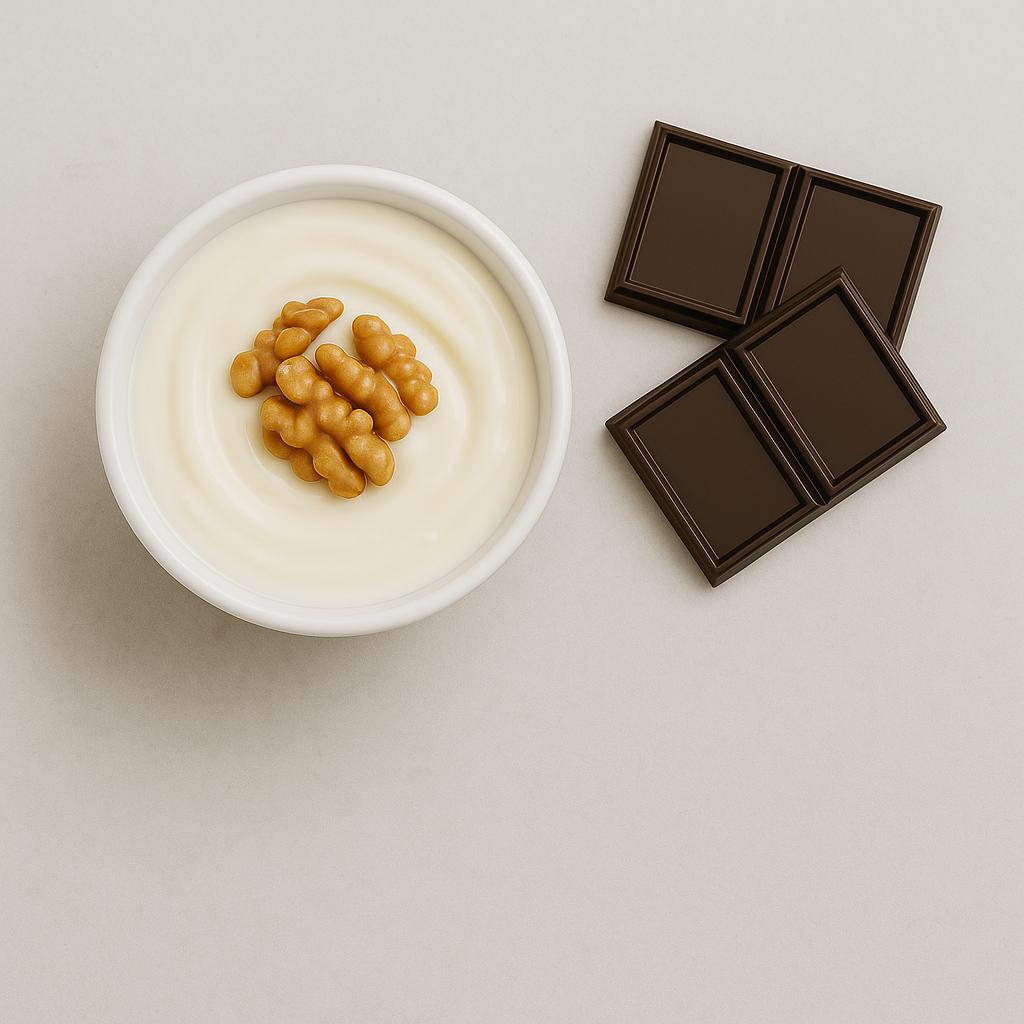
Night snack options (have if you're hungry):
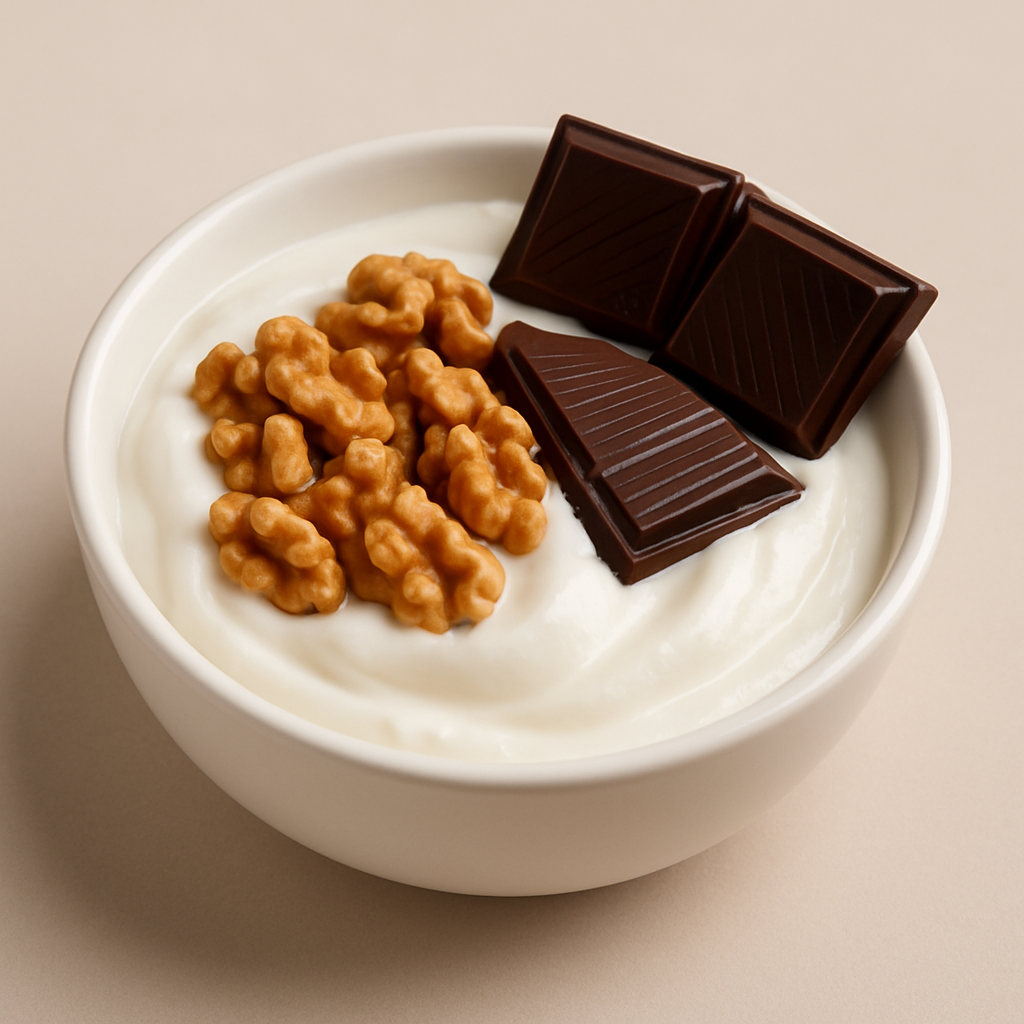
- Unsweetened Greek or regular lowfat yogurt (1–3% fat) with a handful of walnuts
- OR: 2 squares of dark chocolate
*Walnuts for omega-3 to balance inflammation
*Cocoa balances serotonin levels
This week, we're replacing two out of the usual protein-based lunches with carbohydrate-based lunches, because consuming too much animal protein for more than 3 weeks in a row can overload your body with hormones from animal sources, so it should be replaced with legumes, which help balance estrogen.
In addition, you can change the lunch snack up to twice a week with a snack from the method's recipe booklet or any other favorite snack containing up to 150 calories.
This menu is not a must, you can continue eating according to any of the previous menus.
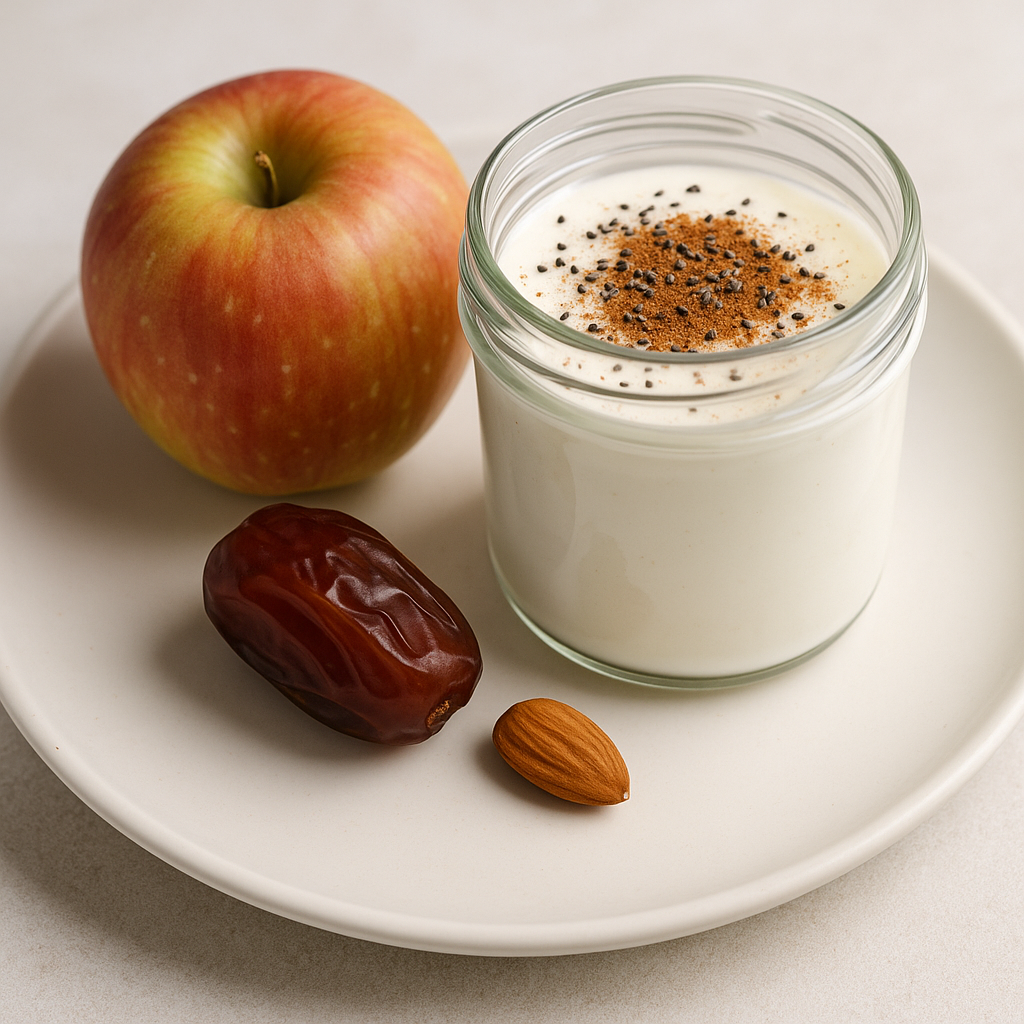
Drinks: coffee, green tea, or sparkling water
Choose one of the following options:
-
Option 1:
- Fruit: apple, nectarine, pear, or a date with a nut
-
Option 2:
- Unsweetened Greek or regular lowfat yogurt (1–3% fat) with 1 teaspoon chia seeds and cinnamon
*Cinnamon helps balance insulin and ghrelin, the hunger hormone
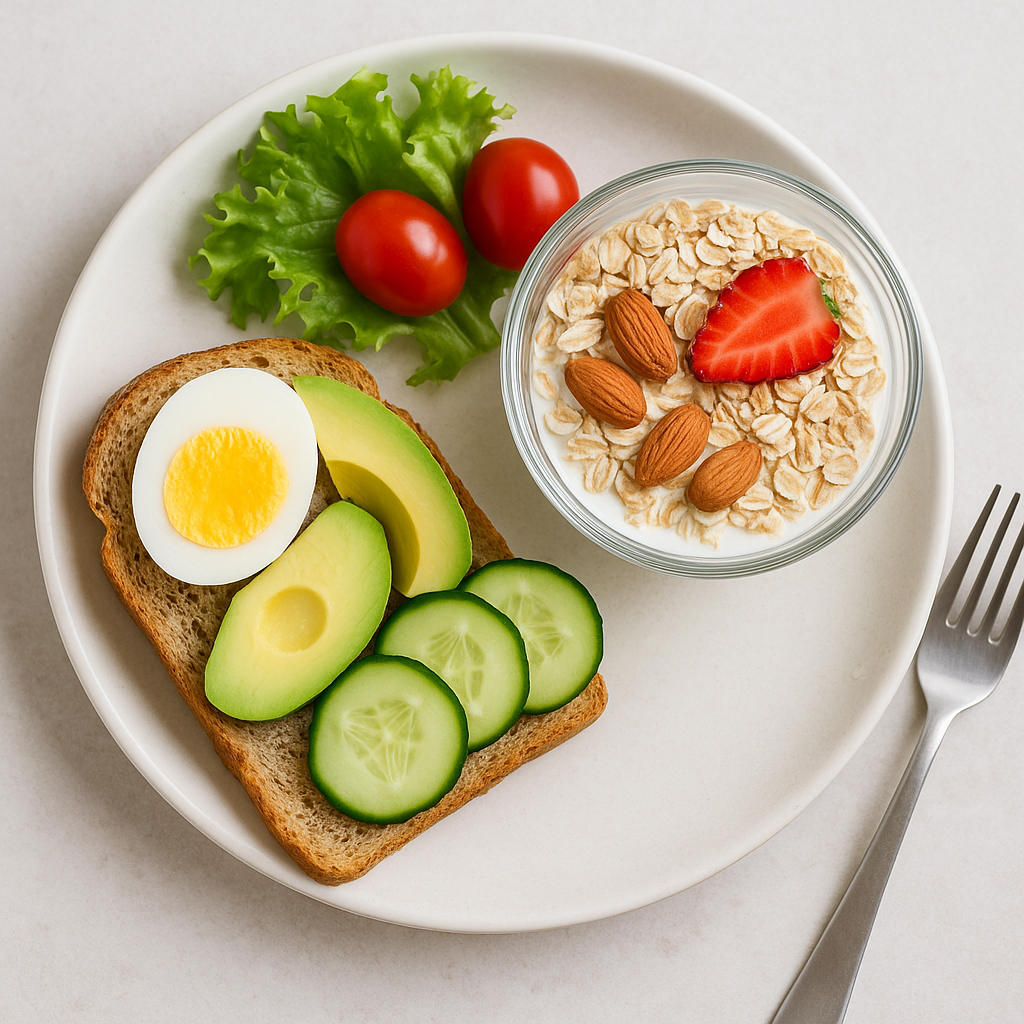
Breakfast includes:
- Lean proteins until you feel full
- One carbohydrate serving
- One fat serving
- Light vegetables as much as you feel
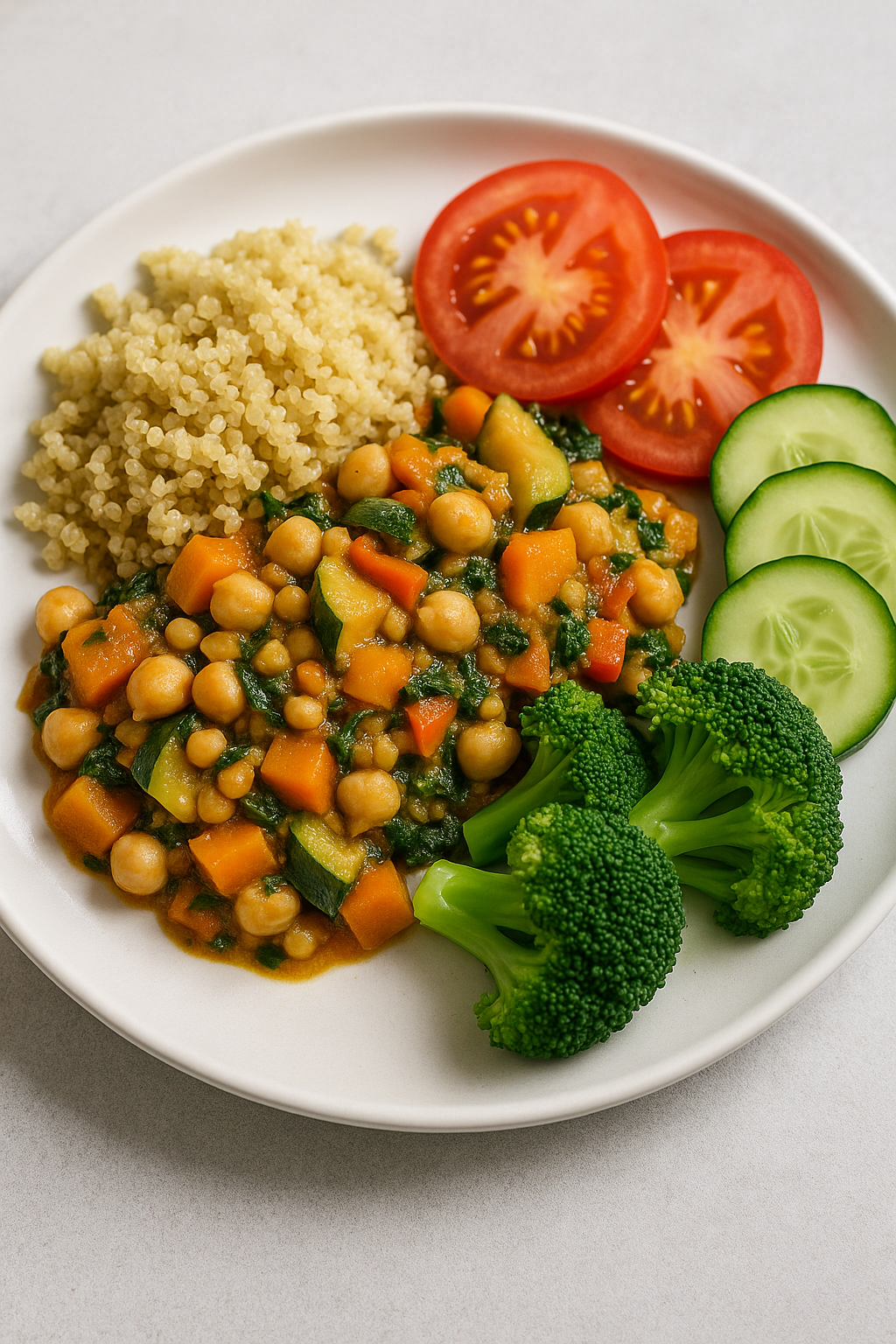
Twice this week, include vegetarian carb-based meals:
- This meal should contain up to 2 cups of cooked complex carbohydrates:
- quinoa
- buckwheat
- whole wheat pasta
- bulgur
- lentils
- chickpeas
- + cooked or raw veggies without limit
Example dishes from the recipe booklet are on the next page (quinoa salad, spinach and chard patties, stir-fry bean, etc.) Pay attention to the portions (up to 2 cups of cooked carbs, you can combine several types of carbs).
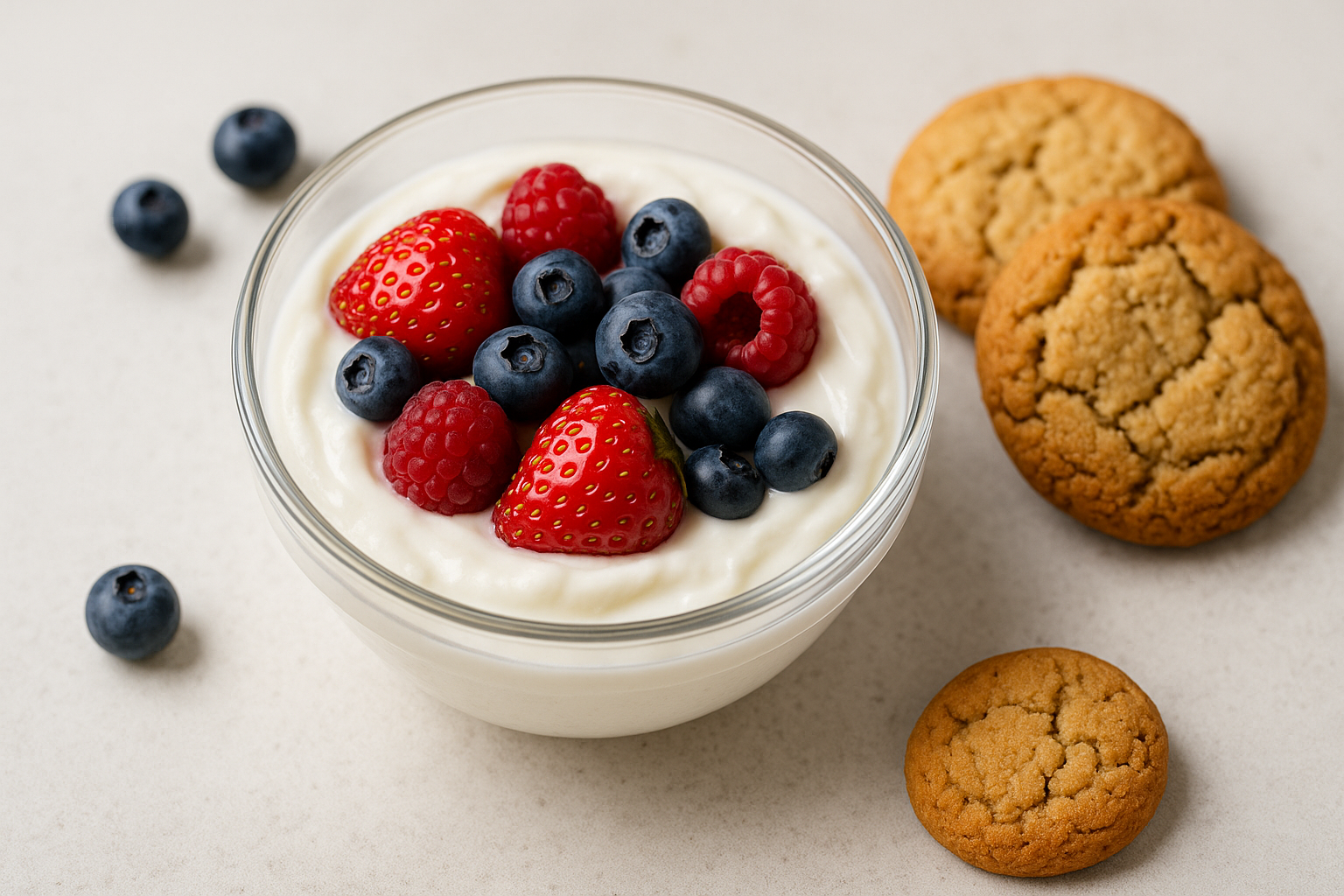
Choose one of the following options:
- A homemade snack from the recipe book, as detailed on the next page (Up to 2 medium cookies)
- OR: a favorite snack up to 150 calories
- OR: a shake from the recipe book made with 1.5 fruit + unsweetened Greek or regular yogurt (1–3% fat)
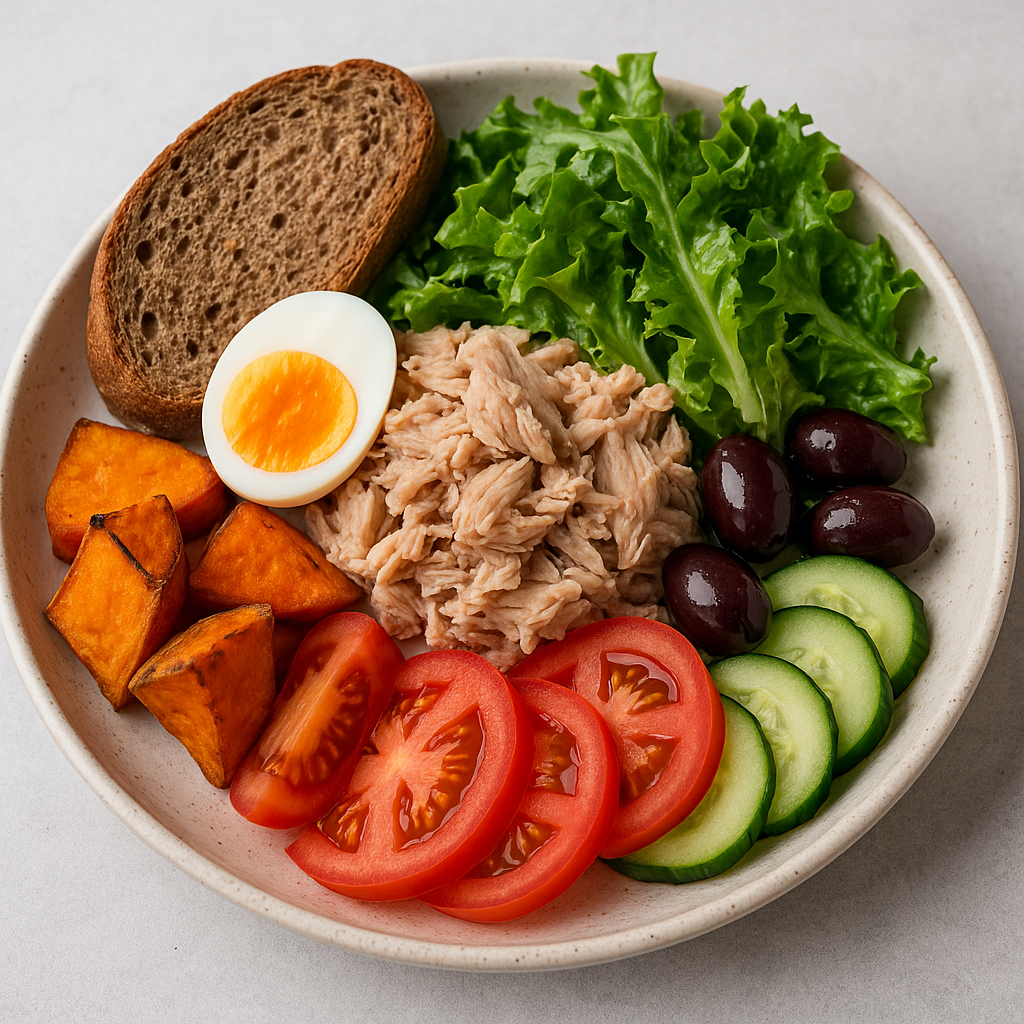
Keep varying your recipes from the recipe book:
- veggie pie
- tuna dough pizza
- rice-paper cheese Bourekas
- shakshuka
- tofu stir-fry
- etc.
Dinner should include:
- Lean proteins until you feel full
- One carbohydrate serving
- One fat serving
- Light vegetables as you want
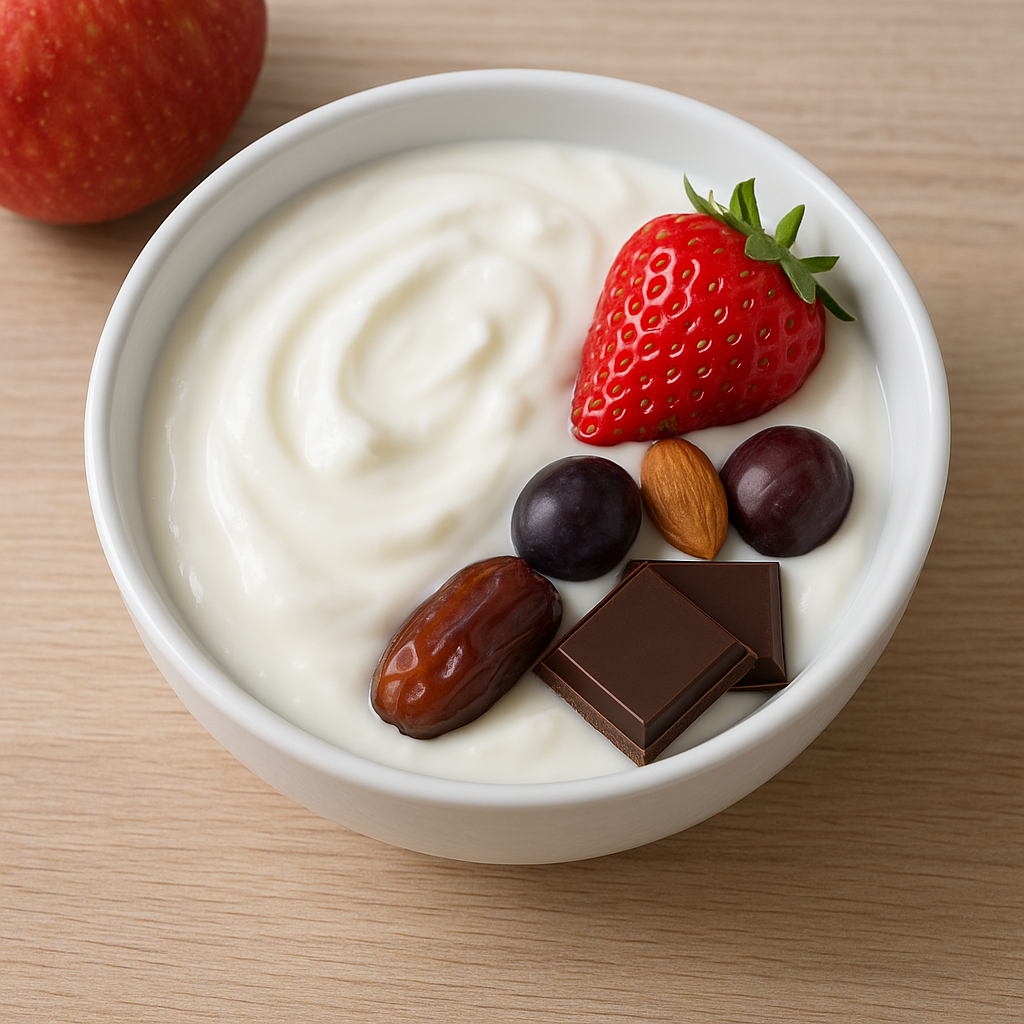
Night snack options (have if you're hungry):
- Unsweetened Greek or regular lowfat yogurt (1–3% fat)
- Fruit
- A juicy date with a nut
- 2 squares of dark chocolate
This week, we are focusing on targeted foods that help calm belly bloating by balancing hormones, especially estrogen, insulin, and cortisol. Each meal highlights the most recommended foods that support reducing belly bloating.
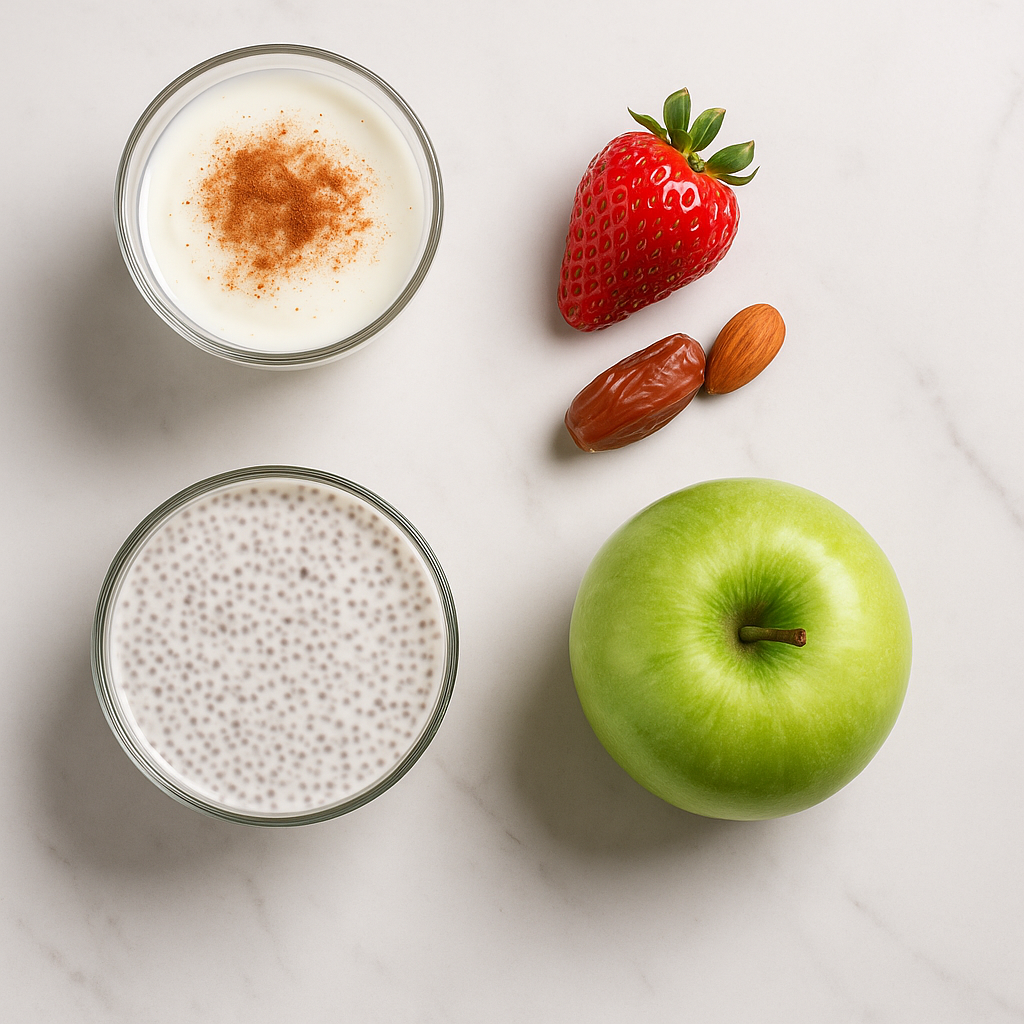
Drinks: coffee, green tea, or sparkling water
Choose one of the following options:
-
Option 1:
- small fruit from the list, a date with a nut, or chia pudding
-
Option 2:
- Unsweetened Greek or regular lowfat yogurt (1–3% fat) with cinnamon
*Cinnamon helps balance insulin and ghrelin, the hunger hormone
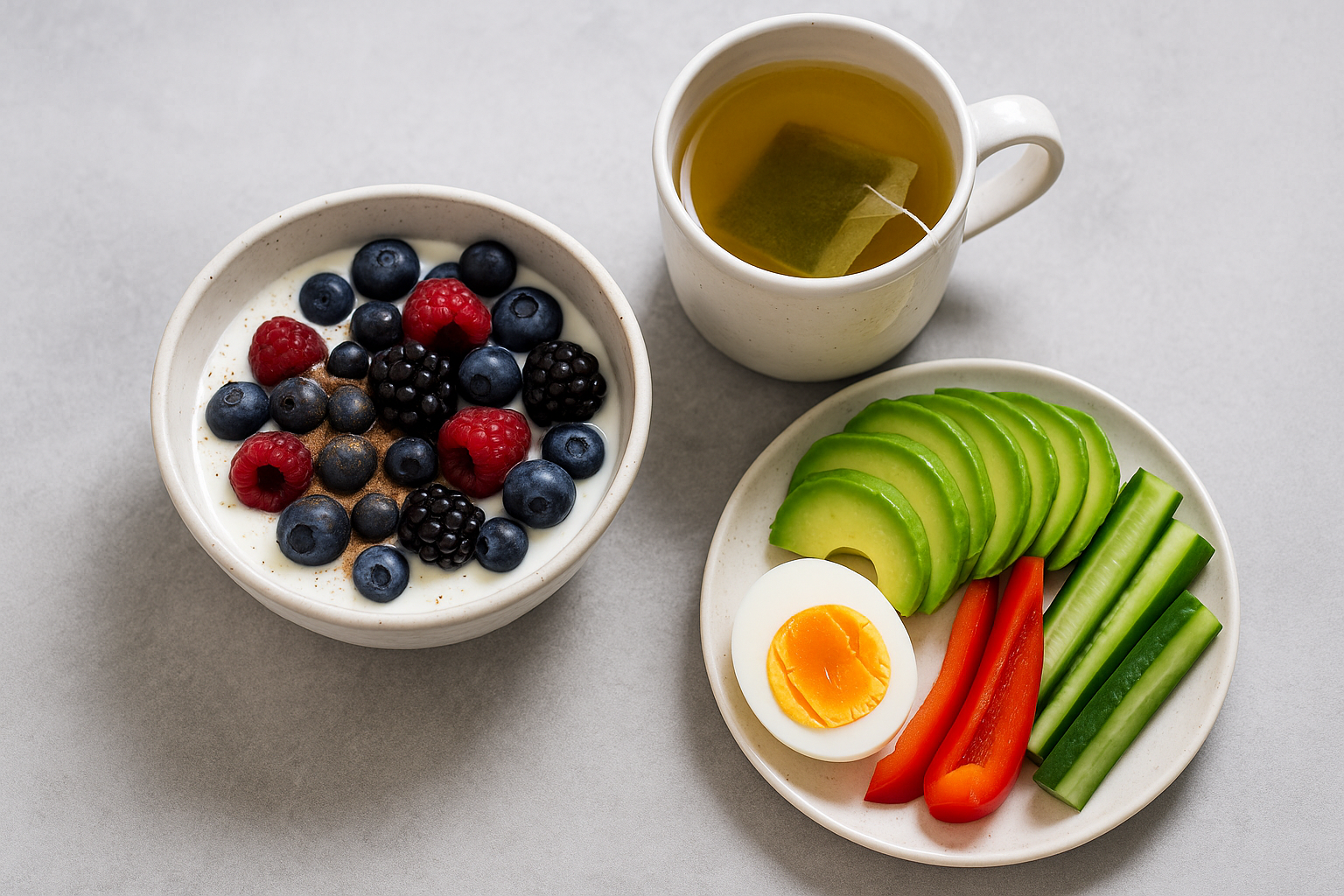
Choose one of the following options:
-
Option 1:
- A cup of wild berries or strawberries + unsweetened Greek or regular yogurt (1–3% fat) + a cup of green tea
-
Option 2:
- quarter avocado + hard-boiled egg + vegetables
*Avocado for reducing inflammation
*Yogurt is a natural probiotic
*Berries are antioxidants for reducing inflammation
*Green tea helps balance cortisol
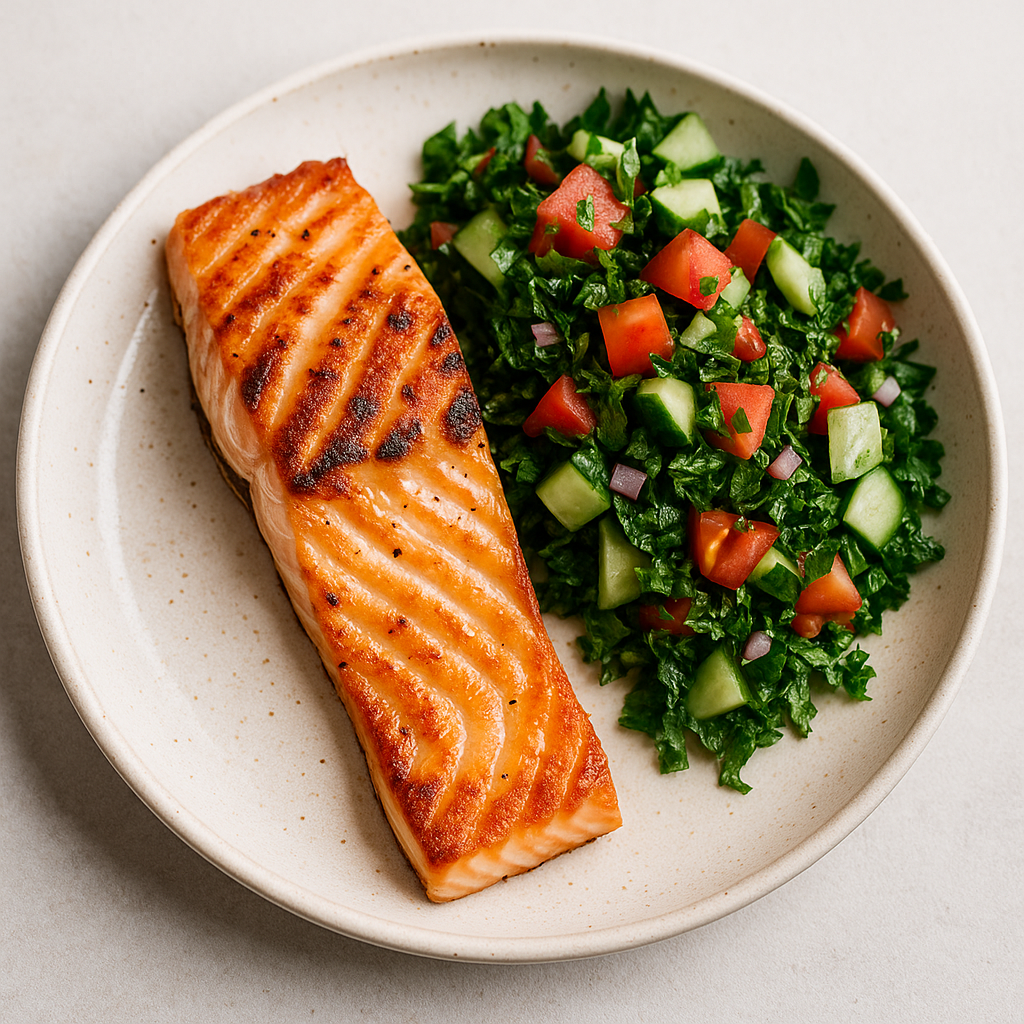
Choose one of the following options:
-
Option 1:
- Salmon (up to 200g and 3 times a week) + chopped leafy salad
-
Option 2:
- lean proteins and vegetables (like in the Restart menu)
-
Option 3:
- a balanced meal as described in menu #2 (up to 150g protein + 3–5 tablespoons of carbohydrates)
*Salmon helps balance cortisol
*Leafy salad helps with satiety and supports digestion
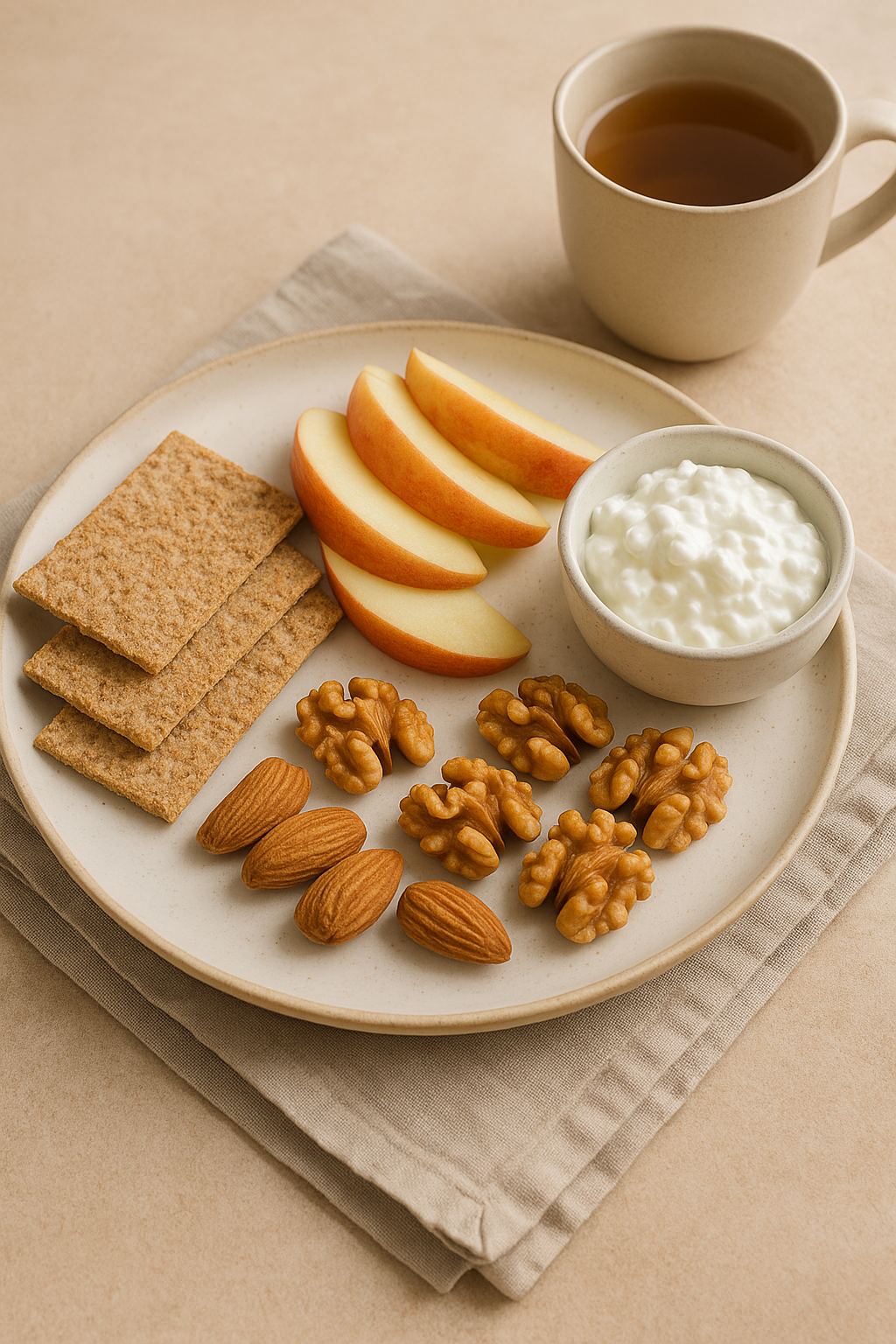
Choose one of the following options:
-
Option 1:
- Snickers snack (recipe on next page)
-
Option 2:
- 2 squares of dark chocolate + a handful of walnuts
-
Option 3:
- Unsweetened Greek or regular lowfat yogurt (1–3% fat) + a cup of wild berries or strawberries
+ A cup of green tea, recommended with ginger or cinnamon
*Ginger for reducing inflammation
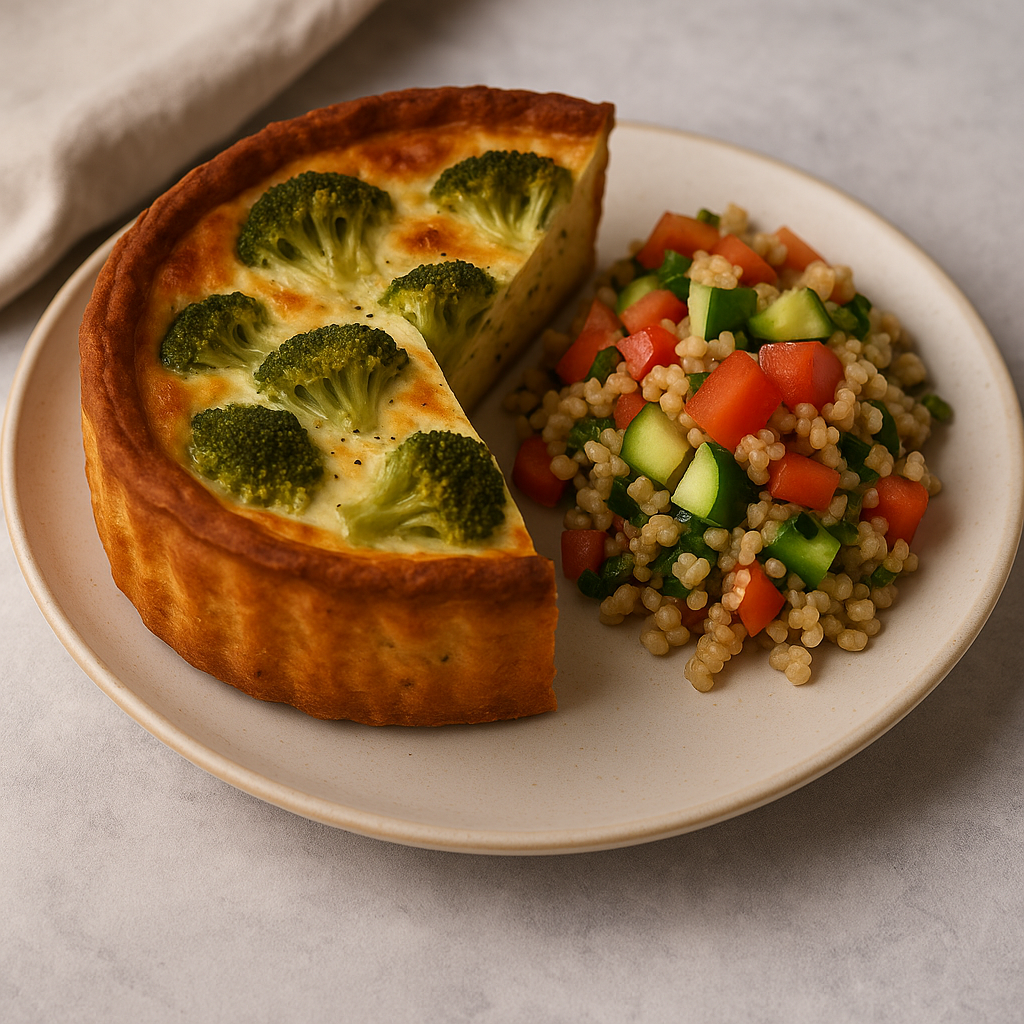
Choose one of the following options:
-
Option 1:
- Green and white vegetable pie like broccoli, cauliflower, mushrooms, etc. (recipe on the next page)
-
Option 2:
- Quinoa salad (recipe on the next page)
*Eating protein at every meal helps regulate leptin and ghrelin levels
Choose one of the following options:
-
Option 1:
- Unsweetened Greek or regular lowfat yogurt (1–3% fat) with a handful of walnuts
-
Option 2:
- 2 squares of dark chocolate
*Walnuts for omega-3 to balance inflammation
*Cocoa balances serotonin levels
Important Notes on the Hormonal Method
- The opening meal of the day is mandatory; don't skip it.
- After that, eat when feeling hungry and don't eat when not hungry.
- Don't eat food that is not recommended by your doctor, even if it's listed in the menu.
- There's no obligation to eat dairy products, you can avoid foods you don't feel comfortable with.
- You can add 2 squares of dark chocolate (75% or more) daily, once a day (but not in the morning hours).
- In the first week, follow the menu exactly and don't substitute spelt or rye bread with other carbohydrates.
Proteins - Can be eaten until full
- Chicken (all parts, cutlets up to 200g per meal)
- Red meat (only twice a week if you have low iron)
- Fish (salmon up to 200g per meal, tuna, white fish - cod, haddock)
- Eggs (up to 2 per day)
- Tuna in oil/water
- Dairy: plain or Greek yogurt 0%-3% unsweetened, cottage cheese
- All cheeses up to 5%: ricotta, feta, cottage cheese, goat cheese
- Mozzarella up to 18%, yellow cheese up to 15%
- Tofu - 150g per serving (up to 3 servings per week)
Light vegetables with reduced carbohydrates
Can be eaten until full
Cucumber, tomato, onion, mushrooms, bell pepper (up to 1 per day), pumpkin, cauliflower, Brussels sprouts, kohlrabi, eggplants, zucchini, green/red cabbage, artichoke, fennel, chives, broccoli, asparagus, fresh carrots and beets, baby corn, palm hearts, green and yellow beans, okra.
All green leaves can be eaten until satiety: lettuce, parsley, cilantro, baby leaves, arugula, kale, spinach, baby spinach, sprouts, sunflower sprouts, celery leaves, chard (beet) leaves, for seasoning: basil, oregano, etc.
Recommended carbohydrates
2 servings per day
Up to 100 cal per serving
Focus on whole grain rye or spelt bread (2 slices of light rye or spelt bread or light pita) at breakfast and dinner.
3 servings per day
5 tablespoons after cooking of: quinoa, buckwheat, legumes, bean pasta. Medium sweet potato, half a potato, small beet, rice crackers.
3-4 servings per day
You can eat wheat carbohydrates like pasta, couscous, and pastries as a weekly treat meal only.
Additional Nutritional Components
- Week 1: "Light" fruit is recommended: apple, pear, plum, peach, a cup of wild berries or strawberries.
- From Week 2: You can eat more choices of fruit types.
Quarter avocado, tablespoon of prepared tahini, teaspoon of natural almond butter, peanut butter or cashew butter; 2 tablespoons of almond flour, 6 nuts or almonds, teaspoon of olive oil, tablespoon of pumpkin seeds, teaspoon of coconut oil, tablespoon of flaxseeds, tablespoon of chia seeds, or tablespoon of sauce for flavoring your protein.
Water, plain seltzer, tea, and herbal teas with no limit. Coffee is recommended without artificial sweeteners and close to a meal.
This program can be implemented between 1 to 3 consecutive weeks.
If constipation develops during the first 3 weeks, continue the program with the following changes:
In week 2:
You can add a serving of carbohydrate to lunch and change the carbohydrate serving at breakfast and dinner.
In week 3:
You can add a cheat meal once a week and every week thereafter.
From week 3, you can vary evening meals from the full recipe book and also from our focused booklet.
Program Progression
After 3 weeks in the program, move to week 4 guidelines:
In week 4:
Replace 2 lunch meals with carbohydrate-rich meals containing 2 cups after cooking of complex carbohydrates - legumes or quinoa together with light vegetables. Example meals in the recipe book.
At the end of our 4 weeks, you'll receive a bonus: a unique "Belly Challenge" 5-day menu as a gift!
After our 5 weeks, you can repeat the cycle again and again until achieving the desired result.
If you want to maintain the result, you can continue with week 2 or 3.
Frequently Asked Questions
From week 3, you can add dinner meals from the full recipe book and also from our condensed recipe booklet.
From week 4, you can use the carbohydrate-rich lunch meals in our full recipe book.
It's recommended to not consume red meat regularly. You can eat red meat as a cheat meal from week 3 of the program. (Guidelines for anemia in the full program link)
The full recipe book, guidelines, and in-depth explanation of the method are attached in the full program link. There you'll find alternatives for various dietary needs.
Good luck,
We're with you!
Mirit and the Hormonal Method Nutrition Program Team